BMW M3 E46: The Most Beautiful M3

Specifications
Basic Information
Performance & Value
The End of an Era and the Birth of an Icon
Introduced at the Geneva Motor Show in March 2000, the BMW M3 E46 immediately made history for the Motorsport division. It represents the perfect technological turning point in the Modern Classic era: it retains the mechanical purity of a high-revving naturally aspirated engine and unfiltered hydraulic steering, while combining them with contemporary performance, an outstanding chassis, and the active safety of modern, fully defeatable electronics (DSC).
For purists, it embodies the perfect balance of the Bavarian brand, blending tactile pleasure, an incomparable soundtrack, and absolute everyday usability.
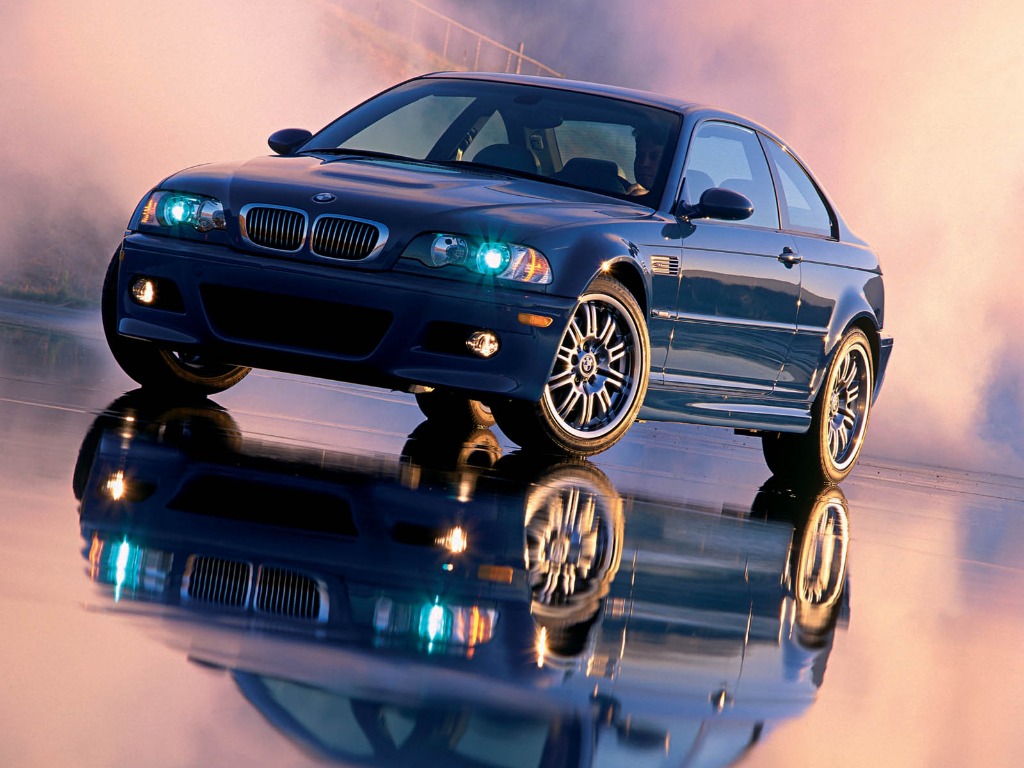
The BMW M3 E46 Coupé, widely considered the most beautiful M3 silhouette in history. Source: © BMW Group
Design: Erik Goplen’s Masterpiece
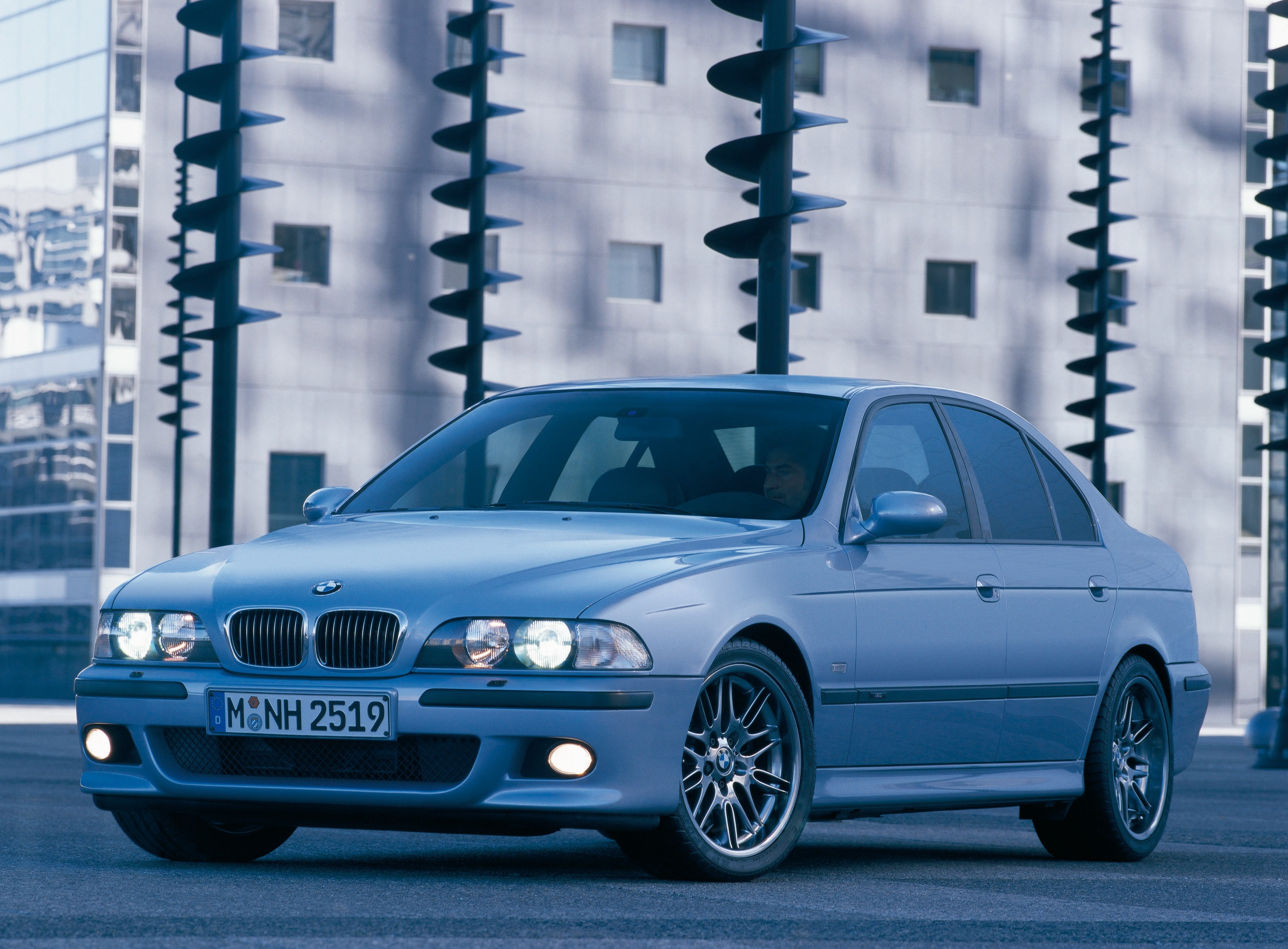
Aesthetically, the M3 E46 is almost unanimously considered by enthusiasts to be the most beautiful M3 ever made. Penned by designer Erik Goplen, it manages to transform the understated silhouette of the E46 coupé into a muscular beast without crossing into vulgarity.
Its widened track necessitated aggressively flared front and rear fenders, giving it an unmistakable road presence. Specific styling cues have become legendary signatures: the aluminum hood with its central bulge (power dome), the lateral fender grilles adorned with the M logo, the aerodynamic double-stem mirrors, and the rear diffuser housing a tightly grouped quad exhaust setup. Unlike subsequent, heavier generations, the E46 retains a timeless grace and elegance.
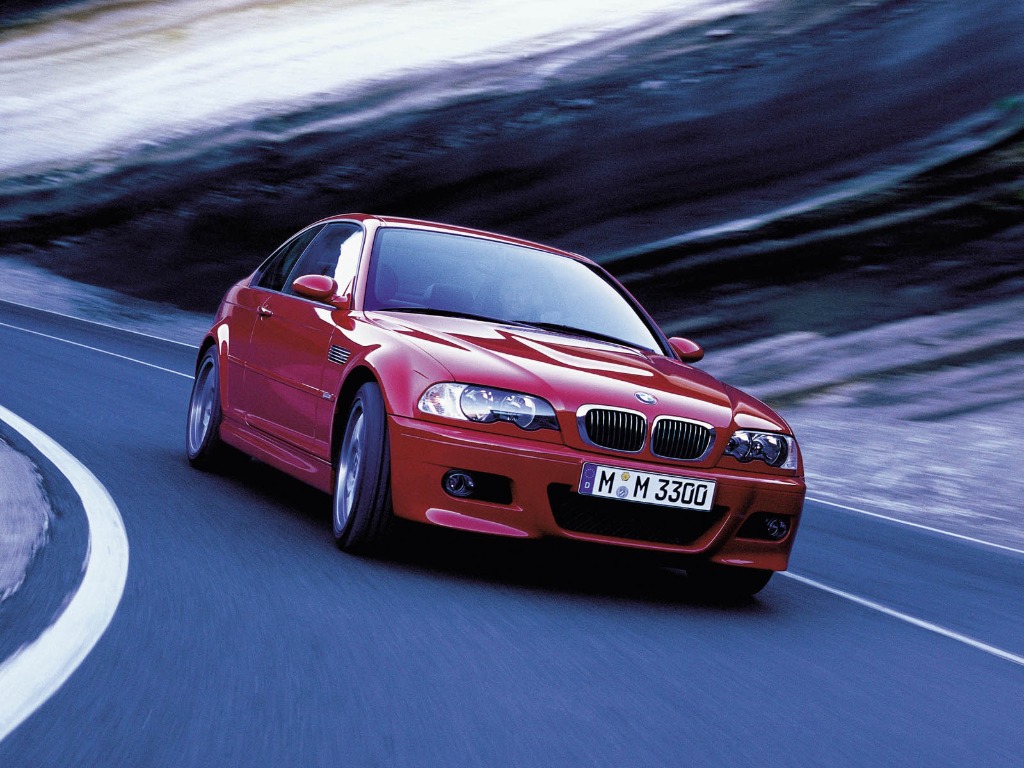
The muscular rear fenders and sharp lines of the M3 coupé designed by Erik Goplen, shown in Imola Red. Source: © BMW Group
Interior: 2000s Patina and the Appeal of ‘Slicktops’
Inside, the ergonomics are completely focused on the driver. The center console slightly angled to the left and the three-spoke sport steering wheel with tricolor M stitching set the tone. The Nappa leather sport seats offer excellent lateral support.
However, as time passes, some cabin materials show their age:
- ‘Soft-touch’ plastics: The matte coating on the center console, cubby storage, and handbrake surround tends to peel, scratch, and become sticky.
- Headliner and pillars (A, B, C): The factory glue degrades over time, causing the headliner fabric to sag and the pillar covers to peel.
- Seat bolster wear: The Nappa leather is supple but delicate. The driver’s side outer bolster wears quickly and cracks from friction during ingress and egress.
For the investor, the cabin configuration is critical. Factory sunroof-delete coupés—commonly known as ‘Slicktops’—are highly sought after today. They save about 45 lbs (20 kg) at the highest point of the car, improve structural rigidity, offer more headroom (essential when wearing a helmet on track days), and eliminate any risk of sunroof leaks or mechanism failure. Similarly, purists prefer the timeless simplicity of the factory head unit over the dated 16:9 navigation system, which relied on a trunk-mounted CD/DVD drive and feels prehistoric today.
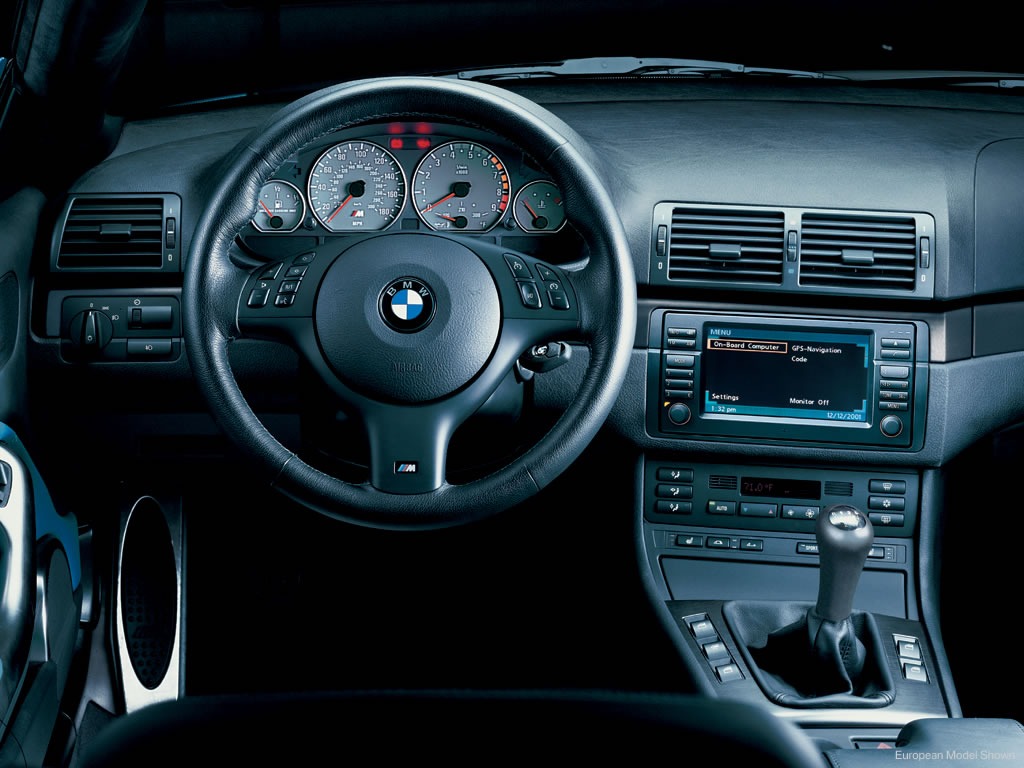
The cockpit of the M3 E46 with its M sport steering wheel and the period-correct 16:9 navigation display. Source: © BMW Group
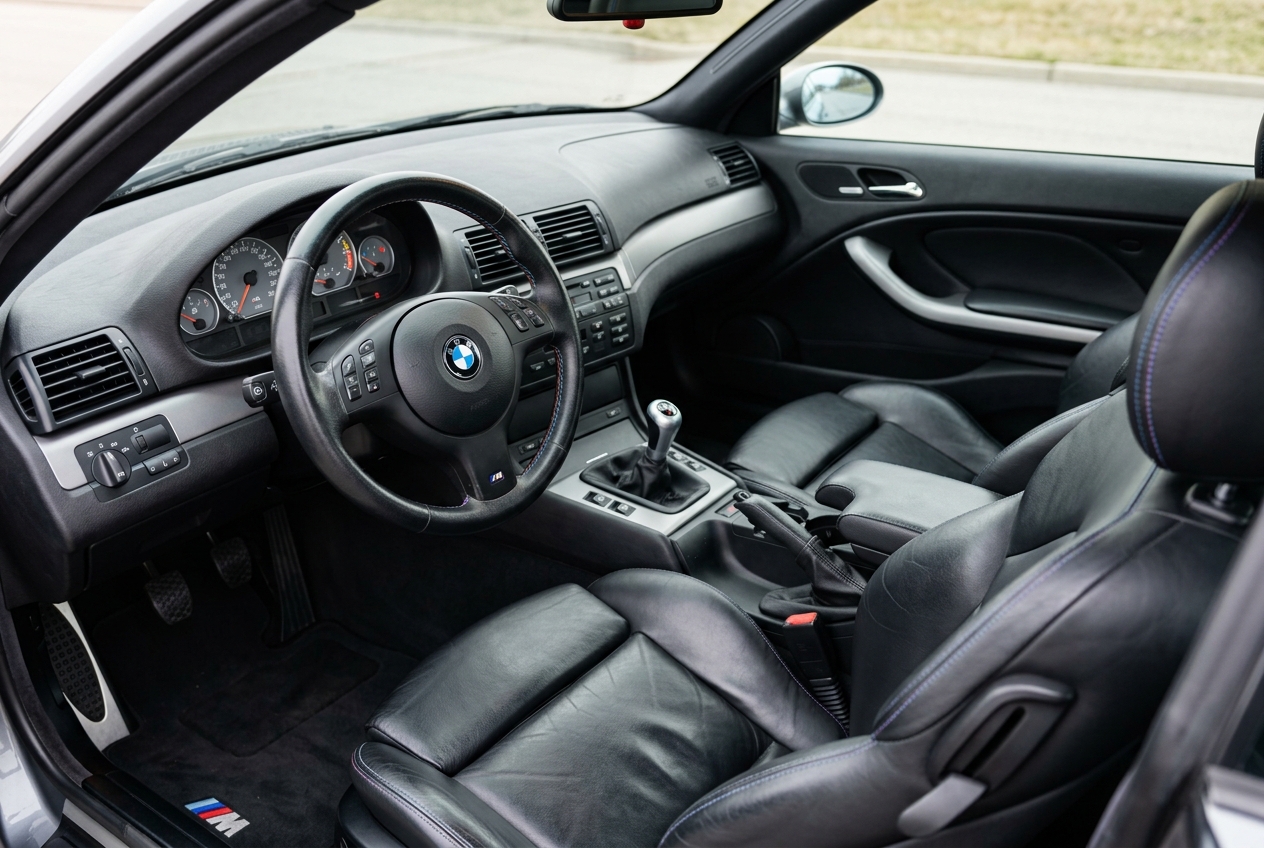
The factory sport seats in black Nappa leather providing excellent lateral support.
Engine: S54, the Naturally Aspirated Swan Song
Under the hood beats the heart of the icon: the S54B32 engine. It is the direct descendant of the legendary European E36 M3’s S50B32, but extensively re-engineered to create a road-legal racing power unit.
In the US market, federal emissions requirements (which forced the placement of catalytic converters directly inside the exhaust manifolds) reduced output slightly to 333 hp and 262 lb-ft of torque, compared to the 343 hp of the European specification. Despite this minor restriction, the engine’s mechanical genius remains unchanged.
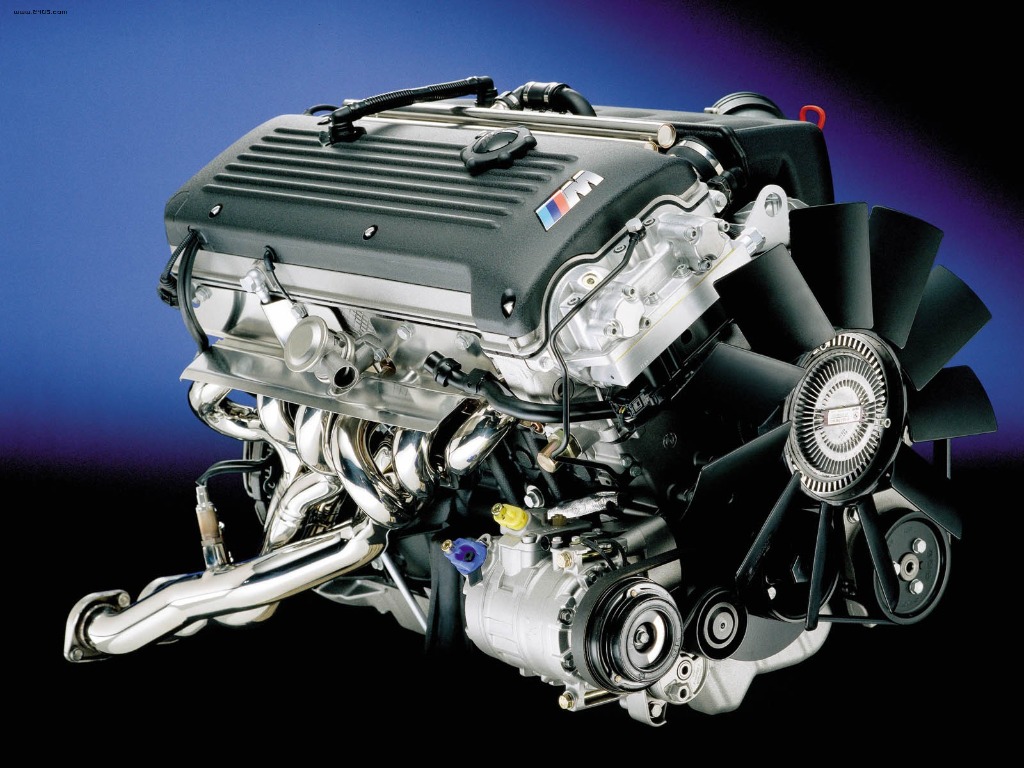
The 3.2L S54B32 engine, the absolute pinnacle of the BMW Motorsport naturally aspirated inline-six. Source: © BMW Group
Evolutionary Upgrades Over the S50:
- The Engine Block: It retains a highly durable cast-iron block, but the bore was increased from 86.4 mm to 87.0 mm to push displacement to 3,246 cc (up from 3,201 cc on the S50). The aluminum cylinder head is cast in a single piece to save weight.
- Finger Follower Valvetrain: This is the major innovation. The S54 replaces traditional bucket lifters with lightweight finger followers, reducing valvetrain reciprocating mass and enabling a reliable redline of 8,000 rpm (8,200 rpm on the CSL).
- High-Pressure Double VANOS: Unlike the S50, which used standard engine oil pressure, the S54 utilizes a dedicated, integrated pump that pressurizes the oil to 1,650 psi (115 bar) to adjust intake and exhaust camshaft timing instantly.
- Lubrication and Induction: A secondary scavenging pump is located at the front of the oil pan to prevent oil starvation during high-G cornering, and intake air is fed through six individual throttle bodies managed electronically (Drive-by-Wire).
The S54 features a dual personality: docile and smooth below 4,000 rpm, it explodes past that threshold, pulling relentlessly to the redline with an unmistakable, rasping metallic scream.
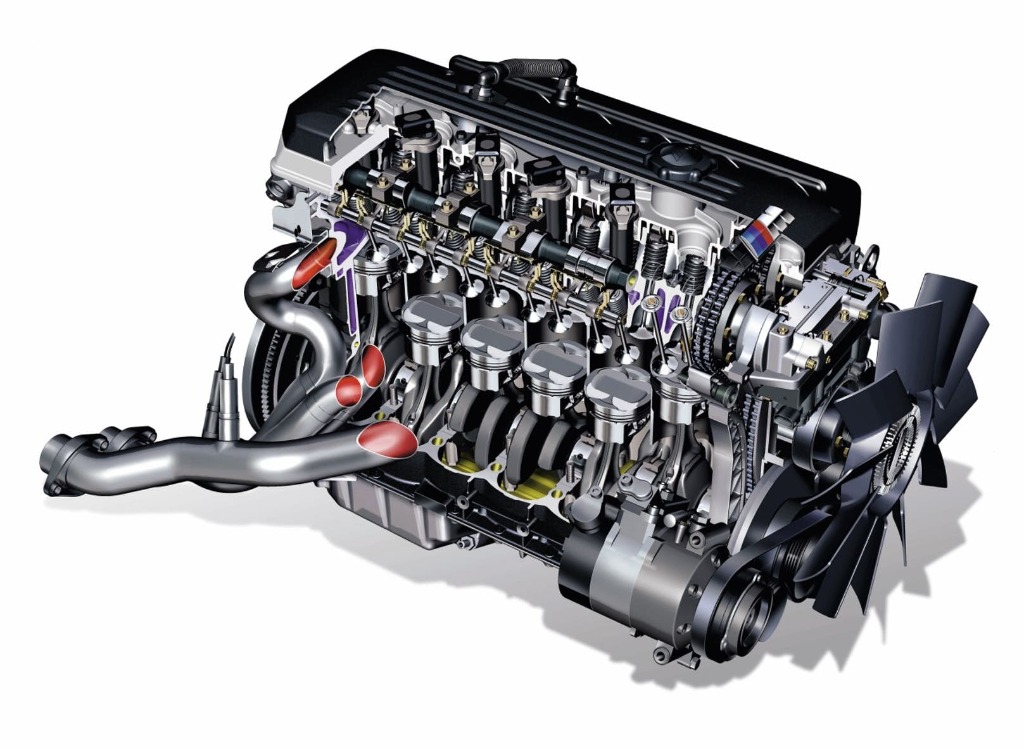
Official cutaway showing the cast-iron block construction, cylinder liners, and cylinder head of the S54. Source: © BMW Group
Factory Manual vs. SMG II and Conversions:
The Getrag 420G 6-speed manual transmission offers a firm, mechanical shift action that perfectly suits the car’s personality. The SMG II automated manual (sequential manual gearbox) offered at the time is widely avoided today: slow and clunky when cold, it is prone to chronic and expensive hydraulic pump failures.
Many SMG II cars are converted to manual today (manual swap). While this conversion is common and improves the driving experience, manual-swapped cars typically face a 10% to 15% discount from collectors, as the factory build sheet decoded from the VIN will always label the car as an automatic.
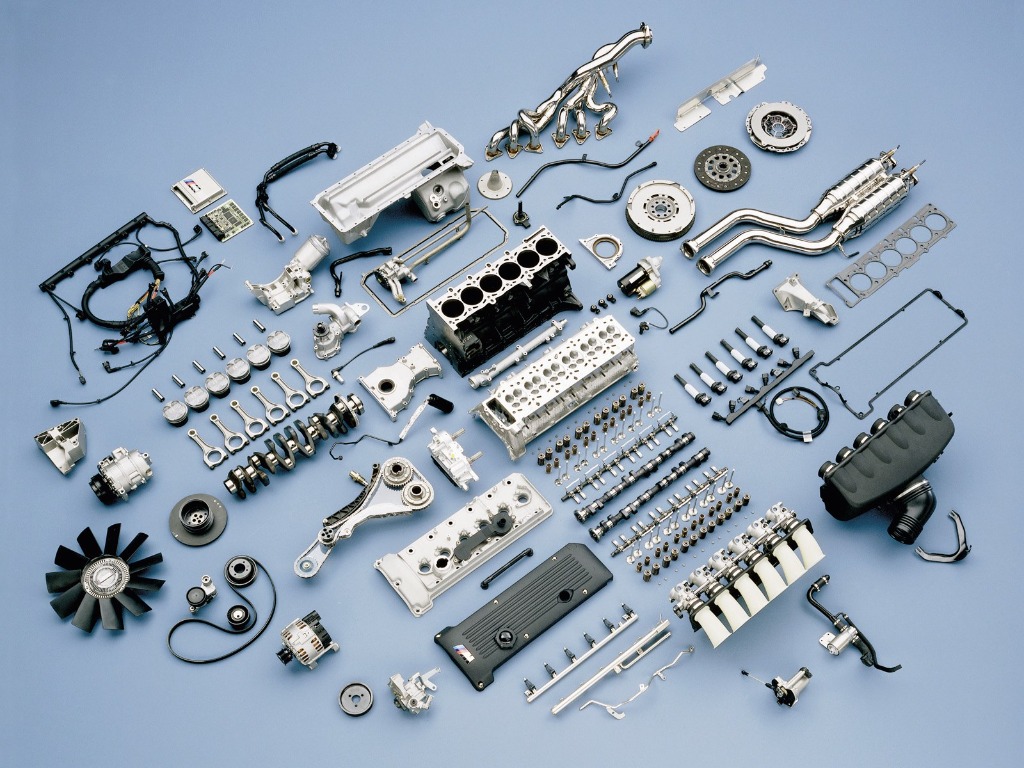
Exploded view of the S54 internal components, showcasing the level of Motorsport engineering in the E46. Source: © BMW Group
Chassis: Widened Track and Variable M Differential
The chassis of the M3 E46 was radically optimized compared to the E36. In addition to increased torsional rigidity—18,000 Nm/degree (13,276 lb-ft/degree) compared to 10,900 Nm/degree (8,039 lb-ft/degree) for the E36—the suspension features forged aluminum front control arms and rear suspension arms to reduce unsprung weight.
The major breakthrough was the introduction of the Variable M Differential Lock developed with GKN. Unlike the E36’s traditional 25% fixed lockup limited-slip differential (which reacts to torque), the E46 system reacts to rotational speed differences between the two rear wheels:
- An internal shear pump generates hydraulic pressure as soon as one wheel spins faster than the other.
- This pressure compresses a multi-disc clutch pack.
- The locking ratio varies continuously from 0% to 100%.
This system provides exceptional traction, even when one wheel is on ice or off the ground, and makes rear-end slides progressive and easy to control.
The Braking Weakness: While the chassis and differential are triumphs, the stock brakes are the E46 M3’s Achilles’ heel. Equipped with single-piston sliding calipers, the car lacks thermal capacity and fade resistance under hard driving. Under heavy use, the pedal quickly turns spongy, and braking power drops significantly (fading). This is a critical factor to consider if you plan to track the car.
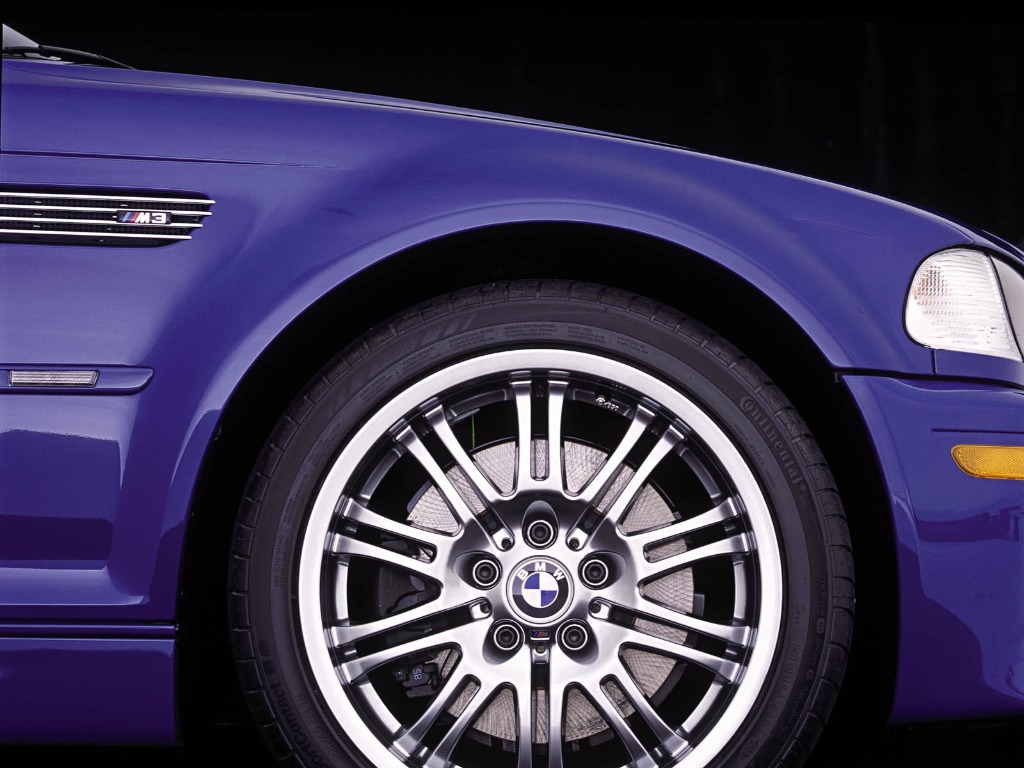
The factory 18-inch Style 67 wheel showcasing the ventilated and cross-drilled brake rotor. Source: © BMW Group
Comparison: M3 E46 vs. Porsche 996 Carrera
In the early 2000s, the M3 E46 and the Porsche 996 Carrera 2 went head-to-head in every automotive shootout. Against the Stuttgart icon, the E46 M3 makes a compelling case, particularly from a collector’s perspective today:
- Mechanical Reliability: The BMW S54’s cast-iron block is far more robust than the Porsche 996 Carrera’s M96 flat-six. The latter is notorious for engine-killing failures related to the Intermediate Shaft (IMS) bearing, cylinder bore scoring, and Rear Main Seal (RMS) leaks. The S54 requires strict maintenance but is free of fatal, uncorrectable design flaws.
- Practicality: The M3 E46 is a true five-seater coupé with usable rear seats and a generous 14.5 cu ft (410-liter) trunk. The 996 Carrera is a tight 2+2 with cramped rear seats and a front trunk capacity of just 4.6 cu ft (130 liters).
- Engine Character: The high-revving 3.2L S54 inline-six feels much more high-strung and emotional than the more linear 3.4L or 3.6L flat-six of the standard 996.
- Production Volume: BMW produced approximately 85,766 E46 M3s (all body styles combined), while Porsche built over 175,000 996s (including roughly 120,000 Carrera 2/4 models). The E46 M3 is therefore twice as rare as its German rival, strengthening its long-term investment potential.
- Braking (Porsche’s Superiority): This is the one area where the 996 Carrera decisively beats the E46 M3. Equipped with four-piston Brembo monobloc calipers and cross-drilled rotors at all four corners, the Porsche offers stopping power, pedal feel, and fade resistance, whereas the BMW quickly surrenders to heat. This braking disparity is so well known that retrofitting Porsche 996 calipers has become one of the most popular aftermarket brake upgrades for track-driven E46 M3s.
Reliability: Buyer’s Guide and Common Failure Points
Buying an E46 M3 requires a meticulous inspection of the three major mechanical and structural weak points of the platform:
1. Rod Bearings
The S54 revs very high and has extremely tight bearing clearances. The factory rod bearings wear prematurely. Preventive replacement is highly recommended every 50,000 to 60,000 miles (80,000 to 100,000 km). Regular oil analysis (checking for lead/copper wear metals) is crucial to monitor their health.
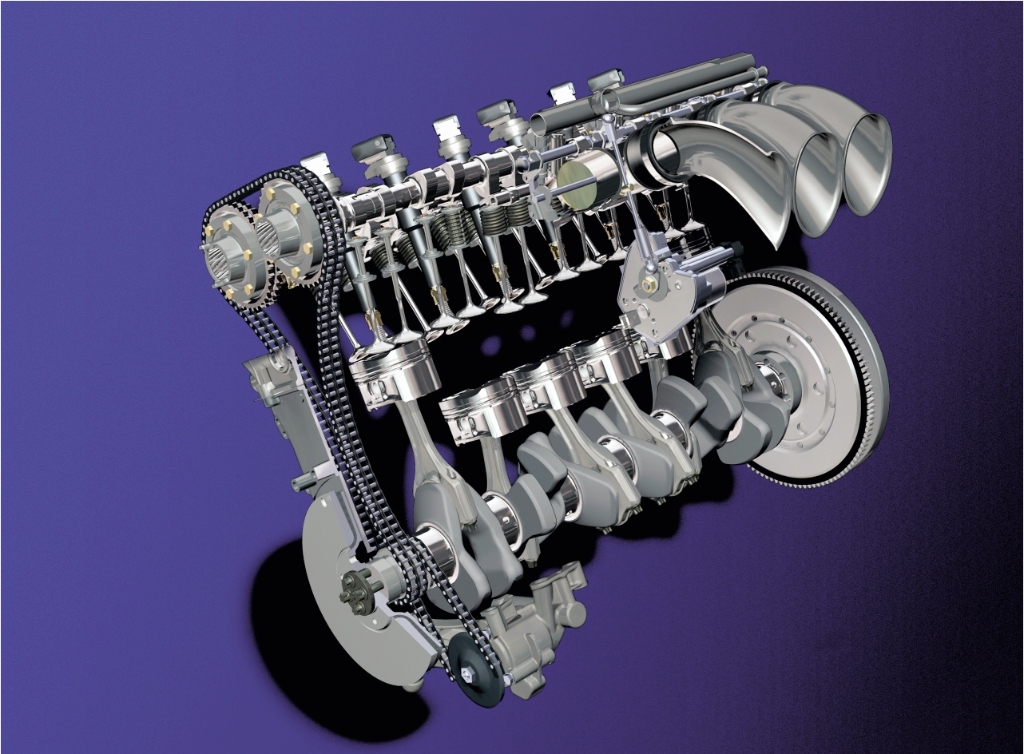
The S54 rotating assembly (crankshaft, rods, and pistons) is subjected to extreme thermal and mechanical loads at 8,000 rpm. Source: © BMW Group
2. Double VANOS System
The variable valve timing unit has several known failures: shearing of the exhaust hub tabs, backing out of the sprocket bolts, and hardening of the internal seals. A complete rebuild using upgraded components (such as Beisan Systems parts) cures the system permanently.
3. Rear Subframe/Chassis Cracks
This is the most notorious structural weakness of the E46 platform. Under torque load, the rear subframe mounting points on the trunk floor sheet metal crack and tear. A thorough inspection from underneath the car is mandatory. Installing welded reinforcement plates—either preventively or curatively—is a non-negotiable step.
4. Valve Adjustment
The S54 engine does not have hydraulic self-adjusting lifters; it uses mechanical finger followers and shim buckets. A manual valve adjustment is required every 15,000 to 18,000 miles (30,000 km) (at every Inspection I and Inspection II service).
- The Risk of Neglect: This is a tedious, labor-intensive service (which must be done when the engine is completely cold) and is relatively expensive, leading many general repair shops or budget-conscious owners to skip it. Loose valves cause clatter and accelerate camshaft and rocker arm wear. Tight valves are even more dangerous: they prevent the valves from sealing completely, leading to compression loss, localized hot spots, and eventually burnt valves (requiring a complete cylinder head rebuild).
5. Rear Differential and Limited Slip Fluid
The GKN Variable M Differential is a mechanical marvel but is highly sensitive to fluid condition. Differential fluid changes are due every 30,000 miles (50,000 km) or every 4 years.
- Specific Fluid: The differential requires a high-viscosity oil designed for limited-slip differentials: Castrol Syntrax Limited Slip 75W-140 (formerly SAF-XJ).
- Operational Noise and Friction Modifier (FM): If you experience grinding noises or chatter during low-speed, tight turns, BMW recommends their specific fluid pre-mixed with a friction modifier (BMW Part Number
83-22-2-282-583). This additive eliminates the noise but slightly slows the differential locking response. For pure track use, standard high-quality 75W-140 fluids without the FM additive are preferred to maintain maximum locking aggression. Neglected fluid changes accelerate wear on the internal clutch plates and hydraulic pressure pump.
6. Corrosion
The E46 M3 has its own rust-prone areas that demand inspection:
- Rear Fenders/Arch Lips: Dirt and road salt accumulate inside the inner lip of the rear fender, leading to bubbling and rust.
- Front Fender Bottoms: Paint bubbling is common along the lower edges of the front fenders where they meet the rocker panels.
- Rocker Panel Ends: Underneath the plastic side skirt covers.
- Trunk Lid: Around the license plate light bar and opening button.
- Jack Points: Underneath the car, which rust if the plastic jack pads are missing or the area has been scraped.
Investment Outlook
For long-term investment, myDriveROI’s strategy is highly selective:
- Prioritize Original Manual Coupés: This is the purest and most desirable configuration. Factory sunroof-delete cars (‘Slicktops’) or those optioned with the Competition Package (ZCP in the US, ZCP/CS in Europe) command a significant price premium.
- Avoid Convertibles: The 350-lb (160 kg) weight penalty and lack of rigidity detract from the authentic M3 driving experience, and potential top hydraulic failures can be financially draining.
- Avoid Modified or Tuned Cars: The E46 M3 was a prime target for aftermarket modifications. Rolled fenders, aggressive tunes, supercharger kits, or stripped interiors ruin collector value. Search exclusively for cars preserved in strict factory configuration.
- The Value of Bulletproofing: A car that already has a documented history of rod bearing replacement, VANOS rebuild, and subframe reinforcement is highly attractive. These essential and expensive jobs secure the asset’s value from day one.
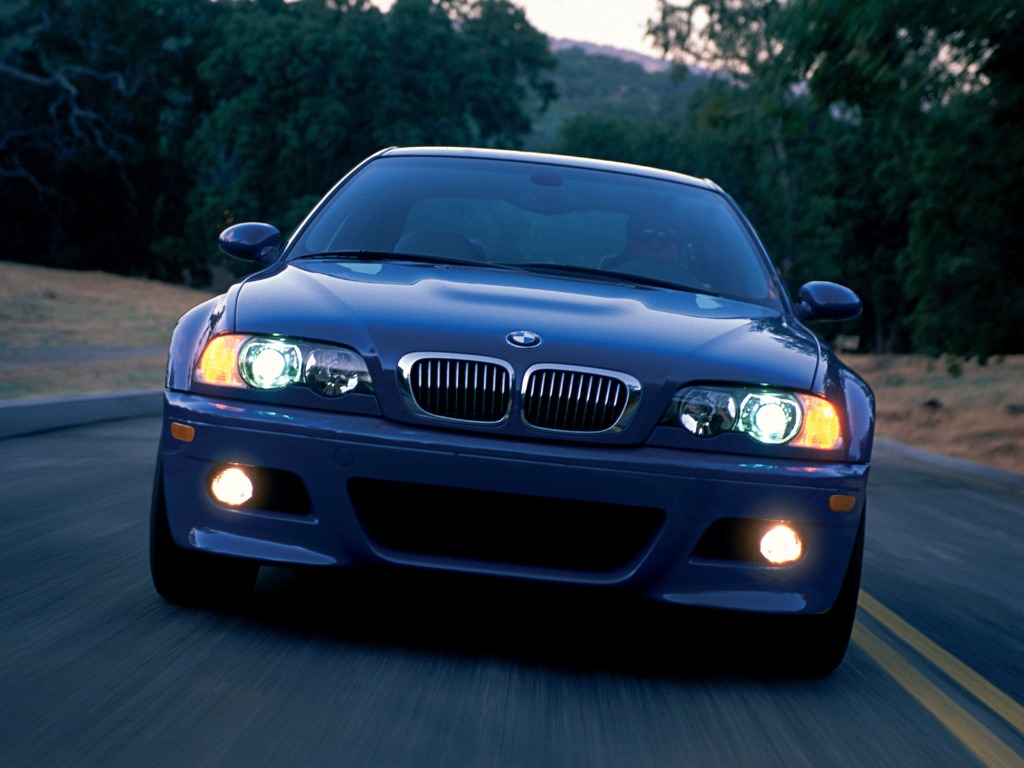
The E46 M3, a strategic and emotional investment at the boundary of the analog and digital eras. Source: © BMW Group
👉 To read more about managing these ownership costs, we recommend our analyses: How Poor Reliability Impacts Market Value and Depreciation: An Investment Opportunity.
Car Evaluation
Evaluation Criteria
Appreciation Potential
Potential for value increase over time
"The M3 E46 is currently at the peak of desirability among modern classics. Its status as the 'most beautiful M3 of all time,' its exceptional S54 naturally aspirated engine, and its perfect balance make it an obvious choice for collectors. Original manual transmission coupés with a clean history and the three key reliability issues (rod bearings, VANOS, and rear subframe reinforcement) already addressed are seeing steady price appreciation and represent an extremely solid financial investment."
Ownership Cost
Total cost of ownership including maintenance, insurance, and running costs
"The annual maintenance budget remains significant and requires great discipline (valve adjustments, specific fluids), with original M parts subject to high inflation. However, the overall cost of ownership is rationalized and becomes fully manageable if you take care to select a unit that has already been bulletproofed (rod bearings, VANOS, and subframe reinforcement completed), thus avoiding major initial expenses."
Driving Pleasure
Pure driving enjoyment and emotional connection
"The 3.2L S54 engine offers a high-strung, screaming character up to 8,000 rpm with an unforgettable metallic wail. The perfect 50/50 weight distribution, communicative hydraulic steering, and variable GKN M differential deliver pure driving dynamics, enhanced by a precise manual shifter."
Market Liquidity
Ease of selling when needed
"Liquidity is excellent for coupés equipped with the original manual gearbox. Buyers actively search for clean examples. Conversely, convertibles and SMG II automated manual versions suffer from a pronounced discount and much longer selling times."
Exclusivity & Rarity
How rare and exclusive the vehicle is
"With 85.766 total units produced, it is not ultra-rare, but finding a factory manual coupé in pristine original condition, without cosmetic modifications or rust, has become a real challenge, justifying the market premium."
Similar Cars
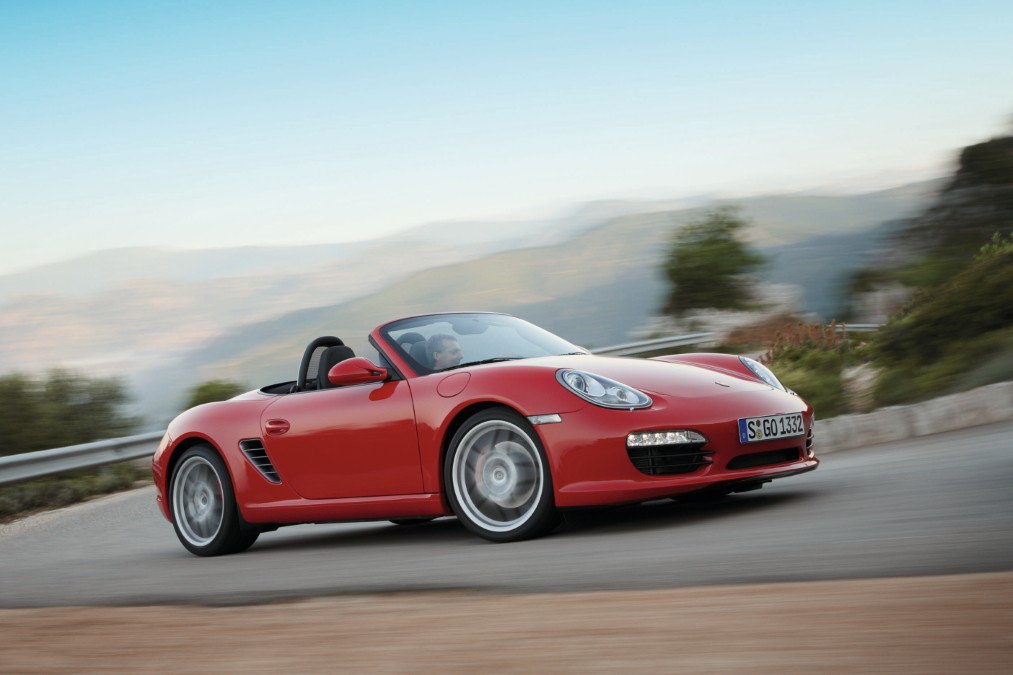
Porsche Boxster S 987.2 - The Ideal Boxster for Entering the Porsche Universe.
Porsche Boxster S 987.2
Related Articles