Devaluation as an Investment Opportunity
Anticipating the Low Point
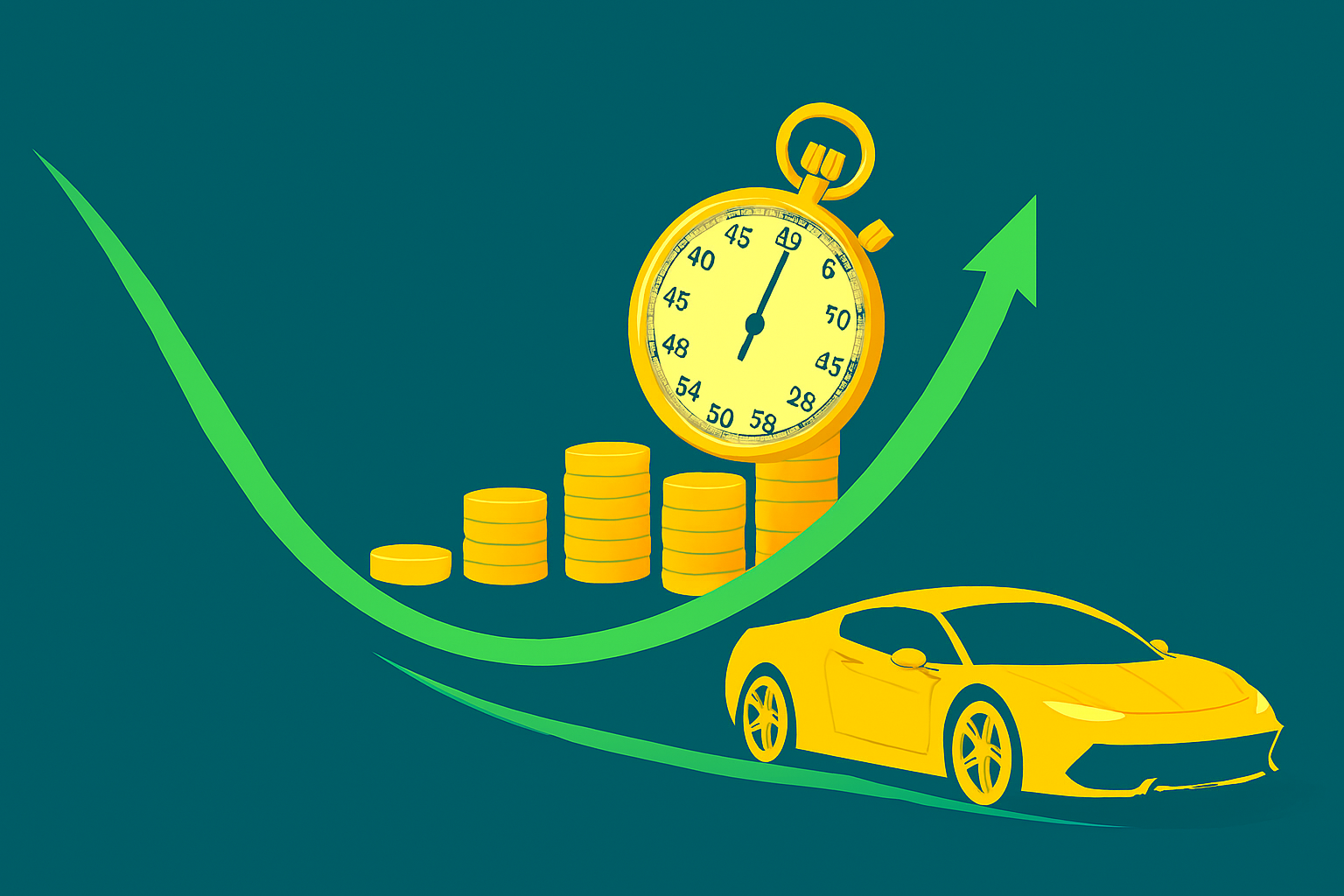
The collector car market is characterized by specific dynamics, often different from those of new vehicles. To unearth future gems, it is crucial to understand the typical value curve of enthusiast cars and to identify the depreciation low point. It is at this precise moment that the best opportunities arise for the astute investor, provided they master the nuances of the specific temporality for each vehicle type and analyze the impact of the model’s life cycle.
The Financial Life Cycle of an Enthusiast Car
Every sports or collector car follows a predictable financial trajectory, but whose duration and intensity of phases vary considerably according to its category and the context of its replacement.
- The Initial Depreciation Phase: The new car loses a significant part of its value from the very first years. This depreciation is often brutal and rapid, fueled by perceived technological obsolescence and the market introduction of newer, higher-performing models. New car buyers prioritize novelty and the latest technologies, which accentuates this drop in value.
-
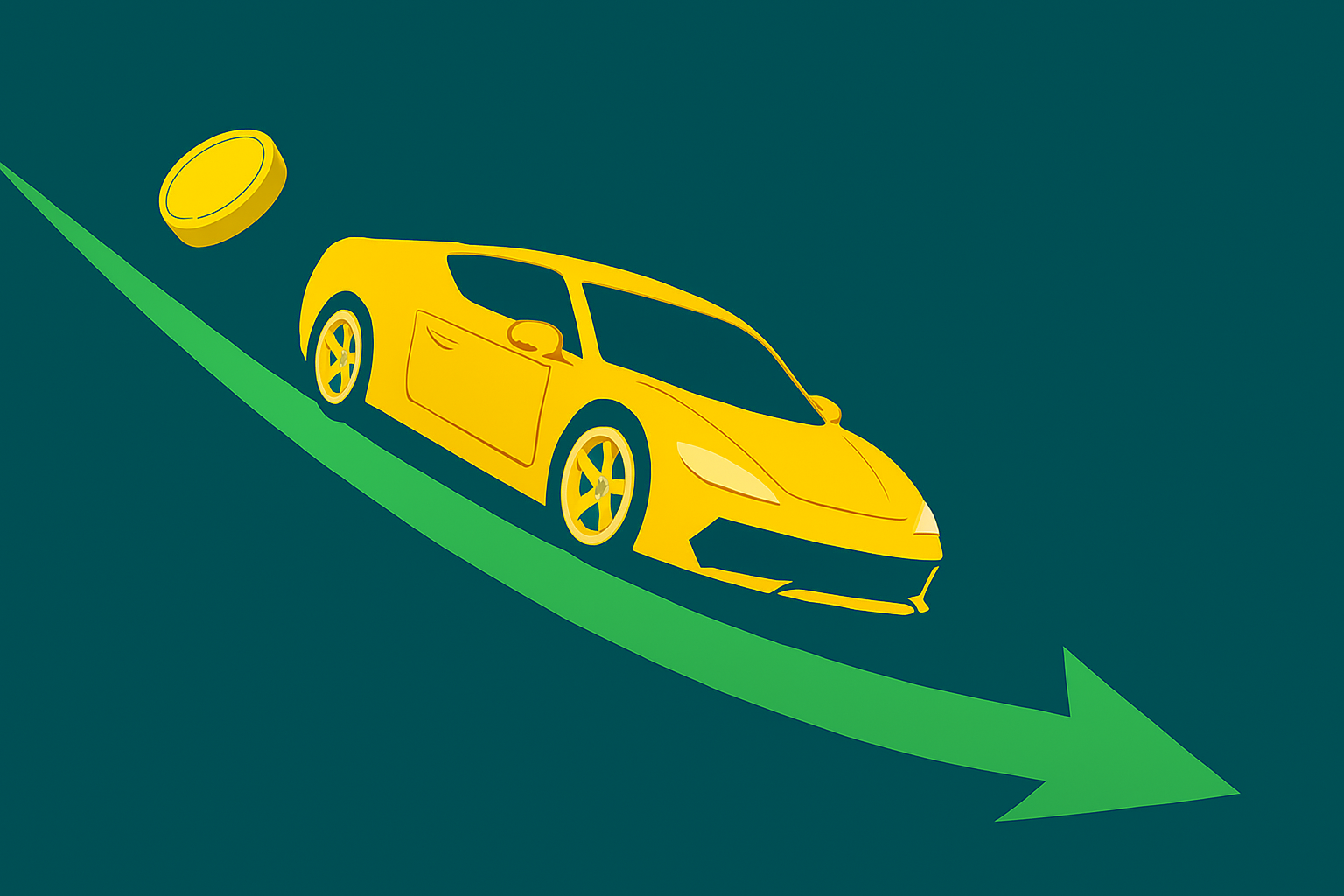
The Depreciation Low Point: This is the moment when depreciation drastically slows down and the car’s value reaches its lowest point. The car is now considered a “used vehicle,” but not yet a “classic.” This is a market where investors can find inefficiencies. It is at this stage that the car falls out of favor with new car buyers, who seek modern technologies.
-
The Stability Plateau: After reaching its low point, the car’s value stabilizes for a period of varying length. This is the ideal moment for the investor to buy, as there are no longer major risks of depreciation.
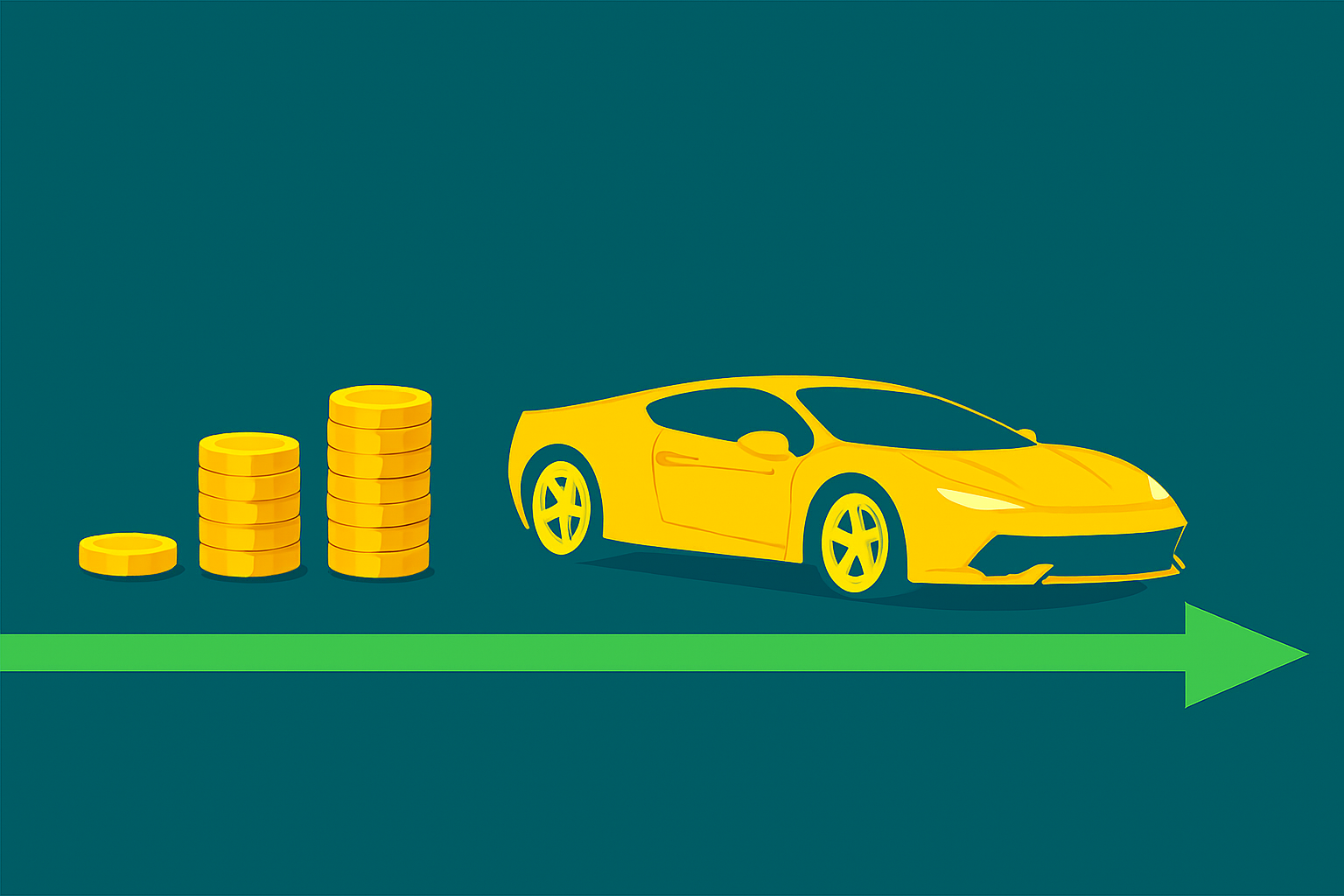
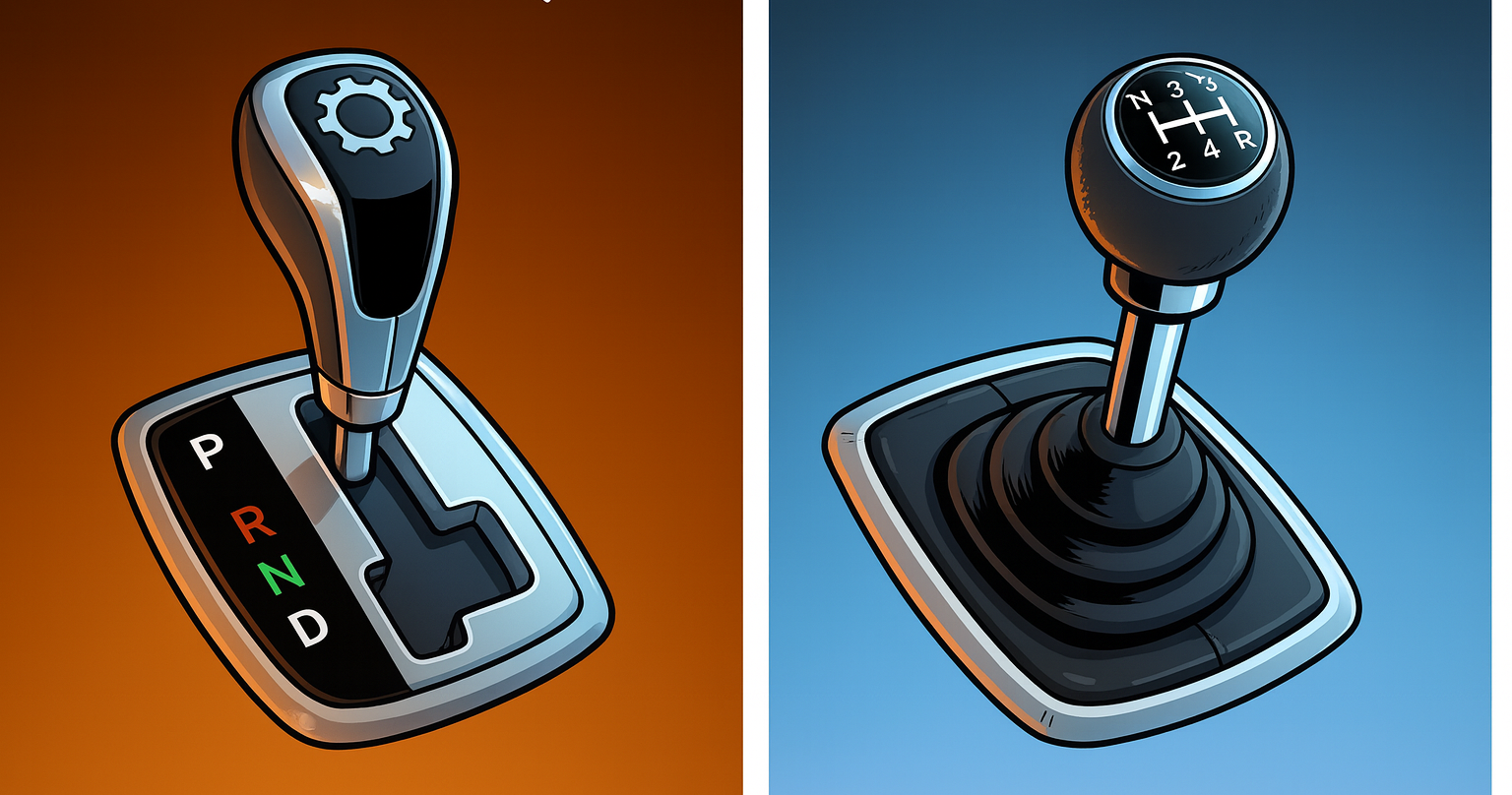
- The Appreciation Phase: If the car possesses the characteristics of future gems (limited series, naturally aspirated engine, manual transmission, etc.), its value will start to rise again. This appreciation is often fueled by nostalgia, recognition of the model’s intrinsic value, and the gradual disinterest in the technologies that replaced the previous ones. Used car market enthusiasts value character, authenticity, and pure driving sensations, which can create premiums in the market.
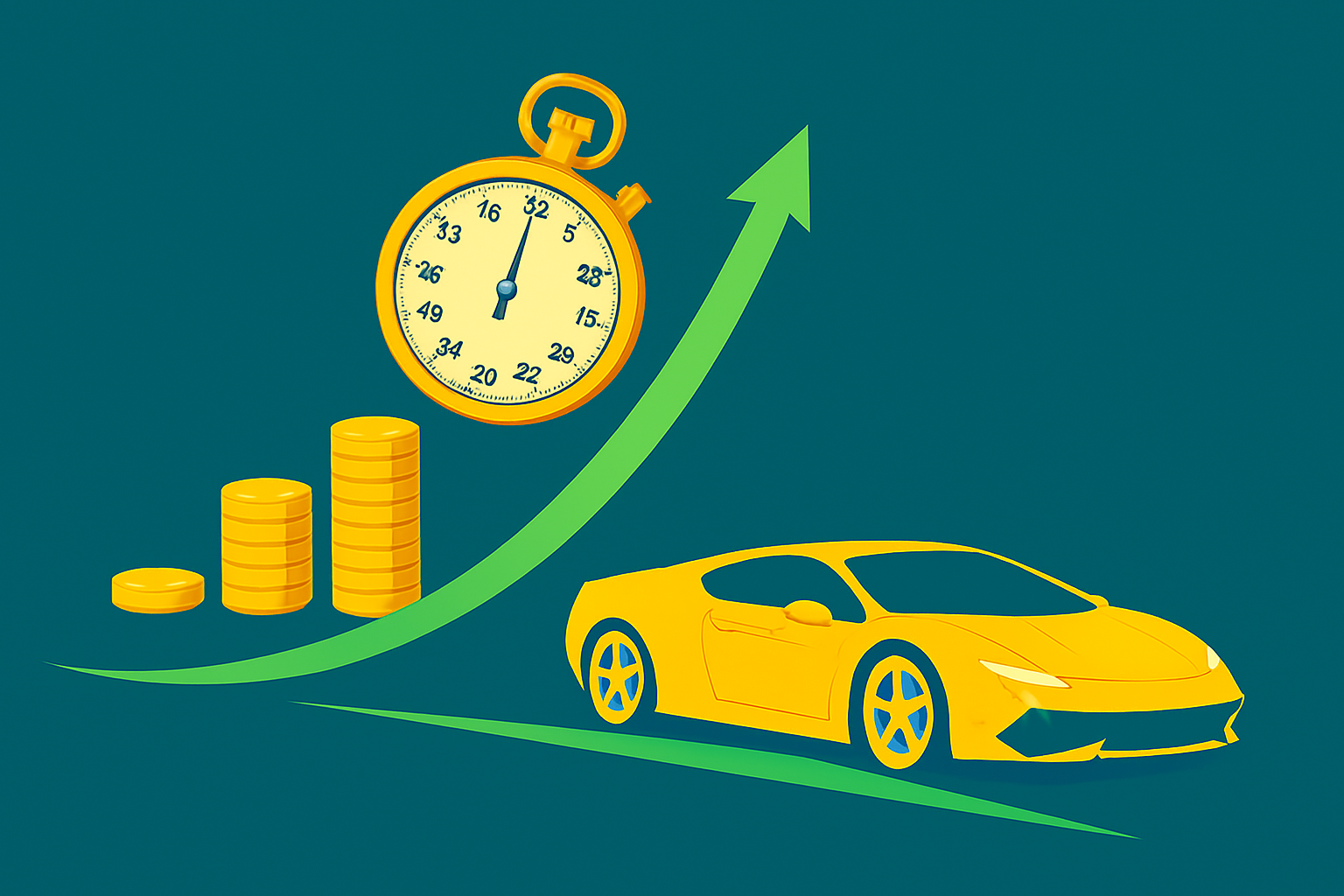
The Impact of Model Replacement and Discontinuation
A major variable influencing the speed and depth of depreciation is the arrival of a new model or, conversely, the discontinuation of the model or an emblematic technology.
Replacement by a Highly Attractive New Model
Accelerated Depreciation: If the new model replacing the old one is perceived as a significant advance in terms of design, performance, or technology, the depreciation of the outgoing model can be particularly strong and rapid. Buyers rush toward novelty, and the old model is suddenly perceived as obsolete, even if it is not fundamentally so. This phenomenon is common for high-tech vehicles or sports cars where each new generation pushes the boundaries.
Replacement by a Less Attractive or Controversial New Model
Limited Depreciation, or Even Rebound: Paradoxically, if the new model is poorly received by the public (controversial design, change in engine philosophy, unenthusiastic shift to all-electric, etc.), the depreciation of the old model may be slowed down, or its value may rebound sooner than expected. It then becomes a refuge for purists who miss “the era before.” This scenario is a key opportunity for the investor.
Definitive Discontinuation of the Model or an Emblematic Technology
Slowed Depreciation / Immediate Appreciation Potential: When the model is the last of its lineage, or represents the ultimate embodiment of a technology set to disappear (e.g., the last naturally aspirated V12 engines, the last manual transmissions in a sports segment), the depreciation can be significantly less severe, or even almost non-existent as soon as production ends. These vehicles acquire a status of “instant collector’s item” or “last bastion” of an era. Their intrinsic rarity and symbolic value limit the drop in value and often initiate an early appreciation phase.
Variable Temporality: Understanding the Nuances
The crucial point for the investor is to understand that the duration and depth of the “low point” and the “stability plateau” are far from uniform. The vehicle category and the context of its replacement are determining factors:
High-End Sedans or Grand Touring Coupes
Depreciation: Often very strong and rapid, accentuated if the new model is a technological and stylistic success. Maintenance costs and the perceived obsolescence of onboard technologies contribute to this drop.
Low Point and Plateau: They can fall very low in value and remain there for an extremely long period (sometimes 15-25 years after their release). Collector interest only manifests when these cars become true “youngtimers” or “modern classics,” often long after their maintenance has been simplified or their design is perceived as iconic. The investor must therefore demonstrate considerable patience.
Exclusive Sports Cars and Limited Series
Depreciation: Generally weaker and shorter. Their rarity, performance, and desirable status limit the fall in their value. Demand remains sustained by a broader base of enthusiasts. If they are the last in a series or of a technology, their value may not even reach a “true” low point.
Low Point and Plateau: The “low point” is often less pronounced and lasts for a shorter period. Some of these cars, especially the very limited ones, may never experience a true low point, their value merely stabilizing before rising again. The buying opportunity is narrower and requires increased responsiveness.
Popular Sports Models / Icons
Depreciation: Often moderate. Their widespread circulation at the time and their relative accessibility make them targets for mass nostalgia.
Low Point and Plateau: A clearly identifiable low point, but which can vary. The plateau is present, and the rise is often gradual, driven by nostalgia and the difficulty of finding examples in good condition, especially if their replacement has not managed to capture the same essence.
How to Anticipate This Low Point and Manage Temporality?
To identify future “classics” before they become the target of all collectors, one must analyze several factors and correlate them with the vehicle category and the context of its replacement:
-
Understand the Priorities of New vs. Used Car Buyers: The disconnect between the priorities of new and used buyers is key. Cars ignored by the new market due to the absence of the latest features can be excellent opportunities in the used market.
-
Analyze Rarity and Historical Significance: Cars that represent the end of an era (for example, the last ones to have a manual transmission or a naturally aspirated engine) have a high potential for appreciation.
-
Avoid the Current Hype: Cars that are the subject of media buzz are often already overvalued. The best time to buy a future classic is before everyone recognizes it as such.
-
Study Long-Term Maintenance Costs: For high-end sedans, exorbitant maintenance costs are a major reason for the persistence of a very low low point.
-
Observe the Evolution of Legislation and Trends: The emergence of low-emission zones (LEZs) and the progressive ban on internal combustion vehicles can paradoxically strengthen the appeal for certain “last of their kind.”
-
Evaluate the Replacement Model: The analysis of the new model is essential. Is it an undeniable improvement that renders the old one obsolete, or a change in direction that could make the old one more desirable?
By anticipating these trends, understanding market dynamics, evaluating the specific temporality for each vehicle category, and taking into account the impact of new models or discontinuations, the investor can unearth undervalued cars that, once on the stability plateau, will offer a long-term return far superior to traditional investments. The real challenge is not to buy the obvious classics, but to recognize the potential of neglected gems at the right time.
Related Insights

Similar Models
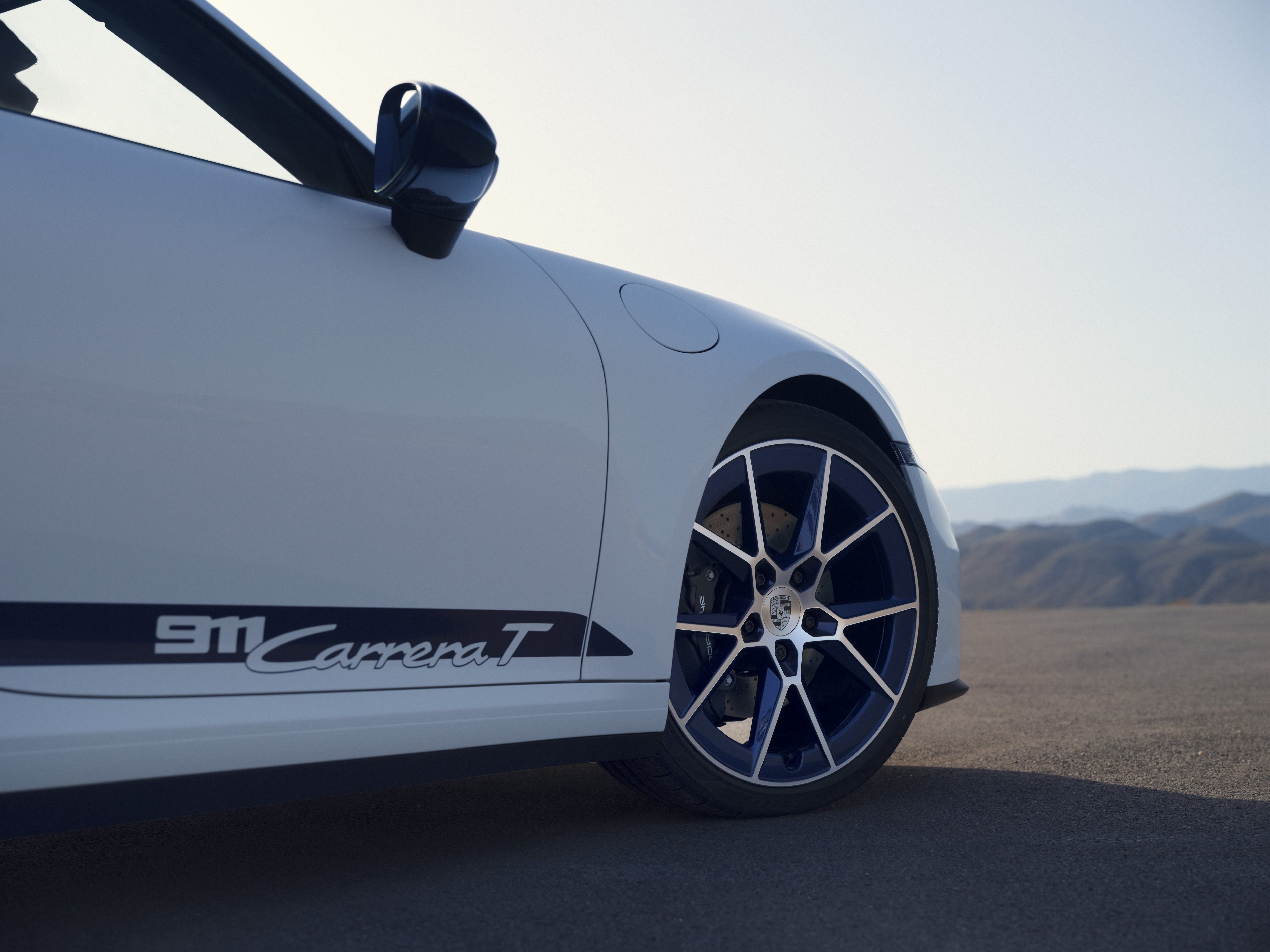
Porsche 911 (992.2) Carrera T: A Brand-New Gem in the Lineup
Porsche 911 (992.2) Carrera T