Porsche Boxster S 987.2 - The Ideal Boxster for Entering the Porsche Universe.

Specifications
Basic Information
Performance & Value
The Perfect Roadster: Boxster S 987.2 Manual.
The first-generation Boxster (986) always suffered from an unfair positioning in the eyes of many enthusiasts for several reasons: 1/ The Boxster was initially introduced with small engines deemed insufficient for the chassis capabilities and the prestige of the badge. 2/ The first Boxster 986 shared the ‘fried egg’ headlights with the 911 996, and this design disappointed enthusiasts. 3/ Like the 911 type 996, the Boxster 986 suffered from quality and reliability problems. 4/ And finally, like the 911 type 996, the Boxster was positioned as a soft and easy car compared to the air-cooled 911 generations. All these points helped attract new customers but disappointed enthusiasts looking for a truly sporty Porsche character.
In 2005, Porsche introduced the second generation Boxster (987), which corrected most of the complaints leveled against the Boxster 986. Except for one: reliability, which remained problematic with cases of IMS bearing failure or scored cylinders.
Source : © Porsche AG
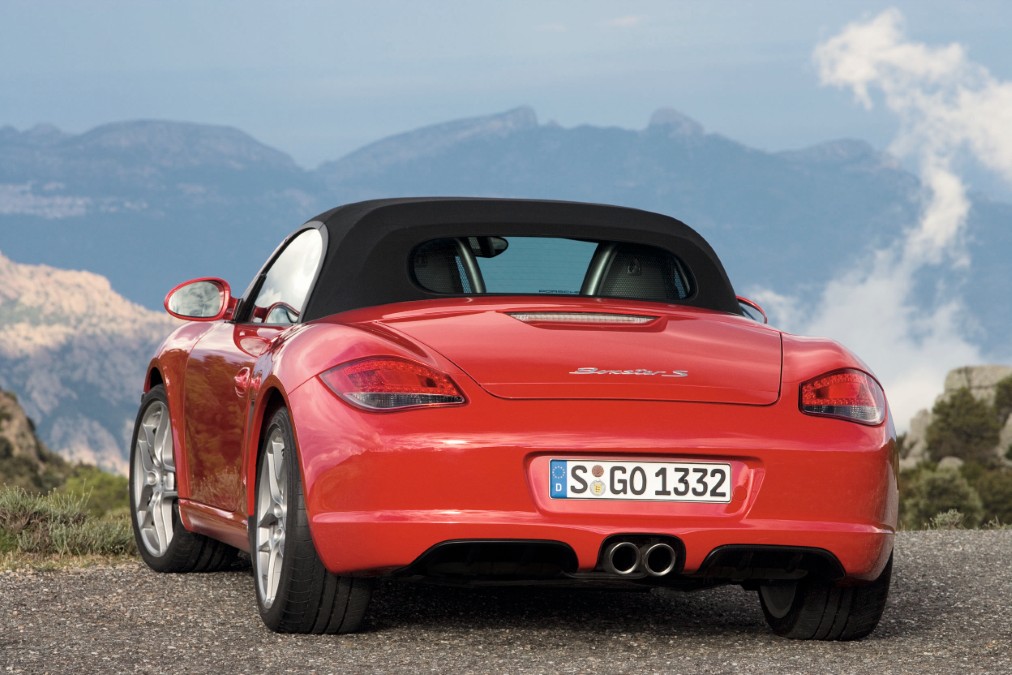
The 2009 facelift of the Boxster 987 (Phase 2) brought numerous improvements to the Boxster S 987. We are talking about Phase 2, which introduced a new 3.4-liter, 310-horsepower DFI engine as well as the PDK automatic transmission. There were also cosmetic improvements to the lighting (LED position and rear lights) and to the interior, where the center console was changed to accommodate the tactile PCM 3.0, which modernized the cabin. The build quality was improved compared to the 987.1, which itself marked a significant leap from the 986. And finally, a reliable engine. The IMS bearing was eliminated, and lubrication was improved with a dry sump system. All the ingredients are finally combined to make this Boxster S 987.2 a perfect roadster. Perhaps even more so than its successors.
An All-New 3.4-Liter, 310-hp Direct Fuel Injection (DFI) Flat-Six
In 2009, a new generation of flat-six engine arrived with significant improvements. For the Boxster S 987.2, the 3.4-liter flat-six engine crossed the 300-horsepower mark with 310 hp. For context, a 911 type 997.1 Carrera from 2005, for example, had a 3.6-liter flat-six with 325 horsepower. Thus, the Boxster S really approaches 911 Carrera territory. This 3.4-liter engine would also be used in the 911 type 991.1 Carrera in a 350-hp version, and also in the subsequent Boxster S and GTS and Cayman S and GTS models (type 981). This new engine was designed to meet the new pollution standards in force at the time and also to limit consumption. It features an advanced lubrication system with a dry sump. The oil level is read when the engine is warm using an electronic gauge. This type of lubrication allows for track driving without risking oil starvation in long corners. This engine, if used with respect for warm-up times, is no longer affected by scored cylinder issues. The elimination of the IMS bearing definitively resolves a potential problem for this engine, which is otherwise known to be very reliable. However, even reliable engines must be carefully maintained and respected in their use, particularly regarding warm-up times. Direct injection does not cause carbon buildup problems, unlike some other brands. The exhaust tips certainly blacken quickly, but the engine does not carbon up and maintains its power over time. The engine may emit slight clicking noises when cold that disappear upon warming up. If this is the case, it is very likely the hydraulic tappets are bleeding down when the car is not used often enough. This first generation of direct-injection engines disappointed fans of intense exhaust notes. That said, the sound of this flat-six is very pure and not artificial at all. The driver benefits from both the intake aspiration sounds behind them and the exhaust note. The optional PSE (Porsche Sport Exhaust) improves the acoustic presence without being excessive. The character of this engine is that it offers remarkable extension at high revs. It is an engine that likes to be pushed. The feeling of this extension is also due to the 6-speed manual gearbox, which is particularly long-geared and encourages the driver to let the engine sing to avoid lugging. Operating the 6-speed gearbox is a pure delight. It is very precise and fast. Vehicles equipped with the ‘short shift’ option are even more enjoyable once the adaptation period is over (due to the tighter gear selection gate).
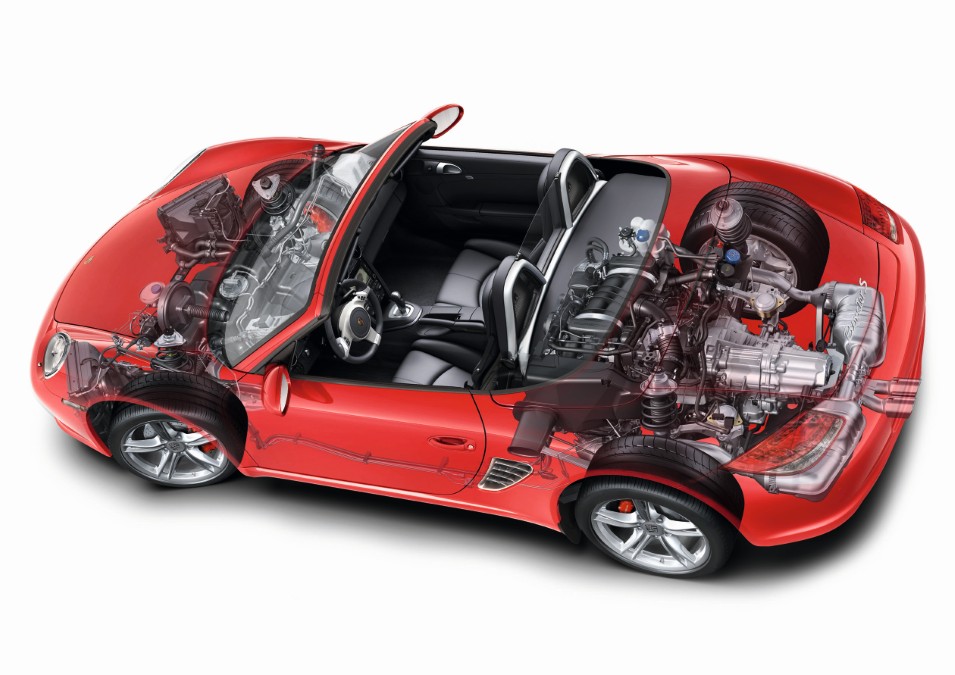
Source : © Porsche AG
This 987 Phase 2 generation introduced the PDK automatic transmission. It was hailed as a great success, being both performance-oriented and smooth, as it is a dual-clutch automated manual transmission. The majority of sales (over 60%) were made with the PDK gearbox. However, we strongly advise the 6-speed manual gearbox, which is very consistent with this car’s still-pure and analog feel. The reliability of manual gearboxes is superior to PDK transmissions. As with scored cylinders and IMS bearings, there are no official figures for PDK gearbox reliability issues. However, research reveals enough anecdotal evidence to prompt us to advise this generation of DFI (Direct Fuel Injection) engines with a manual transmission for maximum peace of mind.
On the Road: Maximum Pleasure
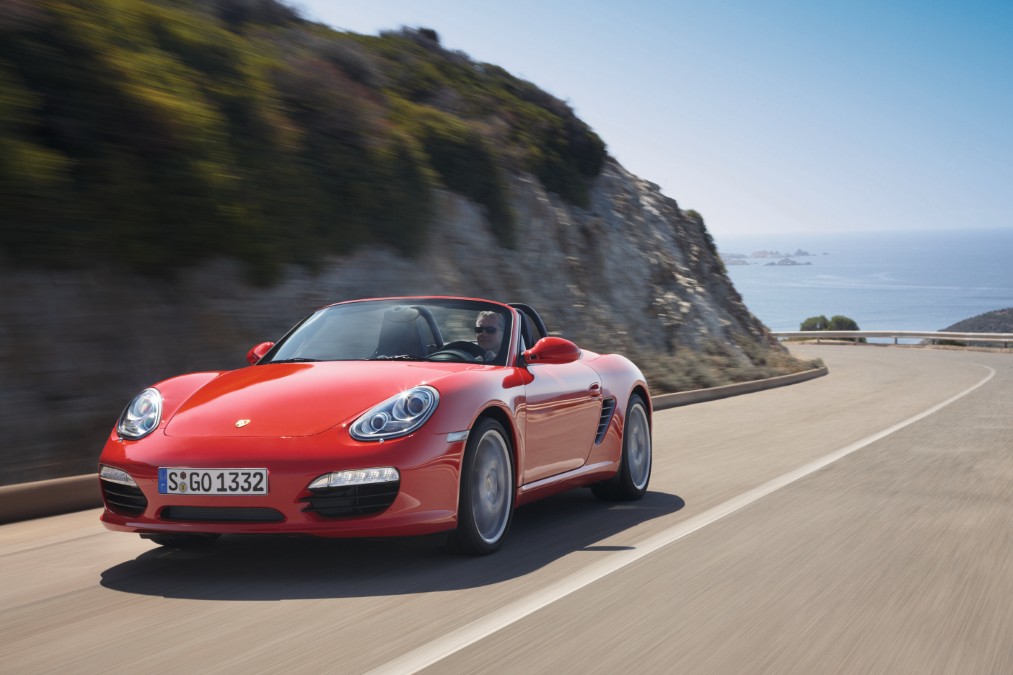
Behind the wheel, the first thing that strikes you is the feel of the hydraulic steering, which is perfectly calibrated. You feel exactly what is happening under the wheels. A driver who has only driven modern cars will have the initial impression of heavy steering. In reality, it is very informative and minimally filtered. For example, getting into a 987.2 right after a Boxster 718 S, you realize how much the driving sensations have regressed with progress. Even driving slowly, this steering provides pleasure, which is not the case for subsequent generations equipped with electric power steering. Due to its mid-engine architecture, the Boxster combines agility and stability. Changes in direction are always executed with great composure. The car is very accessible for sporty driving. Traction, thanks to the engine’s weight over the rear wheels, is excellent even in the rain. Depending on the options, the Boxster S 987.2 can be equipped with either the PASM adaptive suspension or the optional passive sport suspension (option code X73). The PASM suspension is very comfortable. The X73 suspension, lowered by an additional 10mm and equipped with thicker anti-roll bars, brings even more dynamism (and a greater feeling of lightness) at the expense of comfort. The Boxster S is equipped with uprated brakes compared to the base Boxster. With Porsche, braking is always up to the task, and this is the case here. The engine, with its 310 well-delivered horsepower, allows for full exploitation of the chassis and the car’s sporting capabilities. The Boxster S 987.2 is not a ‘small’ Porsche: its performance allows for dynamic driving alongside much more expensive cars. But beyond efficiency and ease of use, what stands out is the immense driving pleasure it instills and the great tactility of all the controls. Tactility is what has been lost with progress in recent cars. Naturally, the manual gearbox contributes to increasing this tactility, unlike a PDK gearbox.
Enjoyment on Roadtrips in a True Porsche
The Boxster, with its mid-engine architecture, only has two seats, but in return, it offers two trunks. One in the front, quite deep, as in the 911, and one in the rear, quite wide. Ultimately, the loading capacity is very good for a pleasure car. A couple can go on a 10-day road trip with sufficient luggage. This is not the case for all two-seater sports cars.
It is certainly not an ideal car for daily commuting, especially with a manual gearbox, as all controls are firmer than in current cars. However, it is truly ideal for road trips due to the compromise it offers between pure sensations and comfort. Comfort is good, especially with the PASM suspension. The presence of electronic aids (PSM, Airbags) is reassuring, and the efficiency of the chassis allows it to keep pace with much more prestigious and powerful cars.
Driving this generation of Boxster provides the feeling of driving a real Porsche. The sound of the Flat-six contributes greatly to this sensation. But once again, all the tactility of this car contributes to the feeling of driving an exceptional vehicle.
The automatic climate control works very well. The heated seats option allows for top-down driving in winter. The double-layer soft top is properly insulated, and its deployment is electric and fast. Sudden showers are not a problem, and the top can even be closed while driving up to 50 km/h. Top-down driving also enhances the acoustic pleasure produced by the flat-six.
Air turbulence is quite well contained. The next generation of Boxster regressed on this point. However, the 911 Cabriolet is superior in terms of acoustic and aerodynamic comfort.
Finally, the ground clearance is not problematic, and its small size makes it an easy car to place on small roads.
Source : © Porsche AG
Porsche Boxster 987.2 : Reliability and Price in 2026
This generation of water-cooled Porsches brought a mechanical reliability that was sometimes lacking in previous generations. In earlier generations, the risk of engine failures (IMS bearing and scored cylinders) could cost half the value of the car for an engine rebuild. Enough to ruin your investment for a long time. Phase 2 of the 987 generation with direct-injection engines is known to be very reliable.
No timing belt needs regular replacement. The chain drive is robust and reliable.
Observe whether the car consumes oil. There should be no blue smoke.
The hydraulic lifters may be noisy (clicking) when cold after the car has not been run for a long time (they bleed down). This is not serious if the noise disappears when warm.
Maintenance costs are reasonable because the car is light and does not place excessive strain on consumables.
Investment Perspectives
Rarity
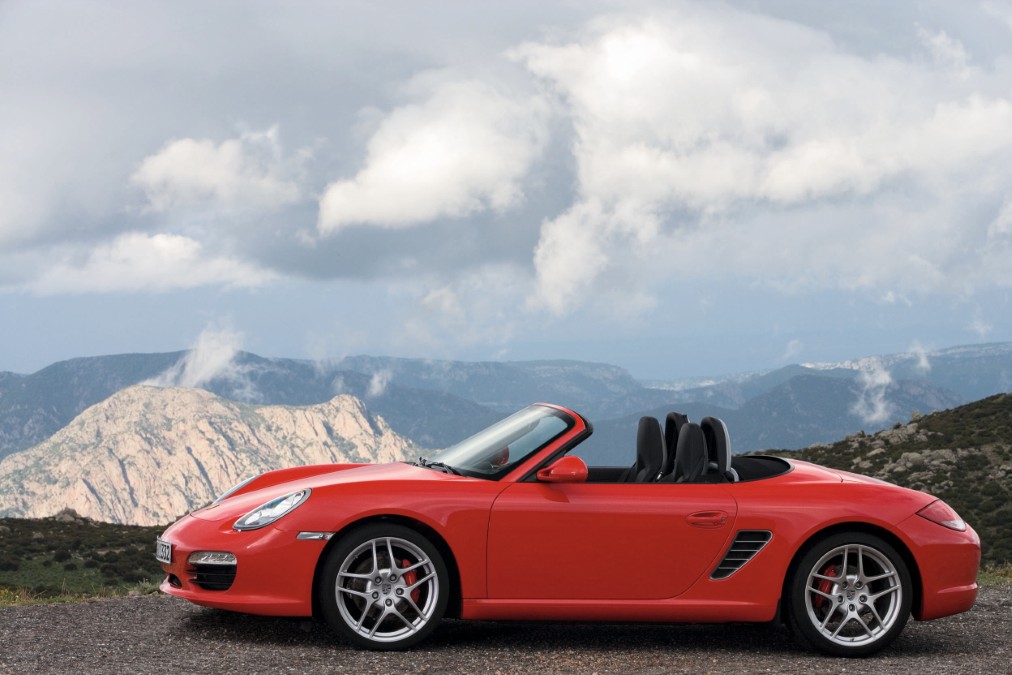
Over 100,000 Boxster 987s were produced. The Phase 2 ‘S’ version was produced in approximately 8,150 units. We recommend the manual transmission version. Knowing that 60% of production was sold with the PDK gearbox, there are therefore about 3,260 manual examples. This model is quite rare with a manual gearbox. It represents something that no longer exists new (atmospheric engine, hydraulic steering, and manual gearbox) which will become increasingly rare and sought after.
Source : © Porsche AG
Value Evolution
Observed Trends: From 2009 to 2015, the Boxster S 987.2 experienced significant depreciation because the next generation (981), with its modernity, pushed the 987.2 into obscurity.
Between 2015 and 2020, there was a phase of value stabilization at fairly low prices depending on mileage and condition.
Since 2021, the value has been rising—a slight upward trend, especially for manual versions with sport options (Sport Chrono, PASM, sport seats, etc.).
Why this rise?
- The manual gearbox is becoming rare and sought after.
- The 3.4L atmospheric engine with direct injection is valued for its reliability and character.
- The 987.2 is seen as the last of the “true” analog Boxsters before the massive arrival of electronics and downsizing.
Market Liquidity
The market liquidity for the Porsche Boxster S 987.2 with a manual gearbox is currently quite good but selective: there is demand, but the supply remains limited, which creates a dynamic niche market.
Current Situation:
- Reduced supply: Boxster 987.2s are regularly found on major classified sites, but the proportion of manual gearboxes is significantly lower than that of PDKs.
- Sustained demand: Porsche enthusiasts are increasingly looking for manual versions, seen as more authentic and rarer. This generally makes the sale faster than with a PDK, provided the car is in good condition and priced correctly.
- Sales time: a clean, well-maintained example with a clear history can sell in a few weeks. High-mileage or poorly configured models may remain listed for several months.
987.2 Boxster vs. Cayman?
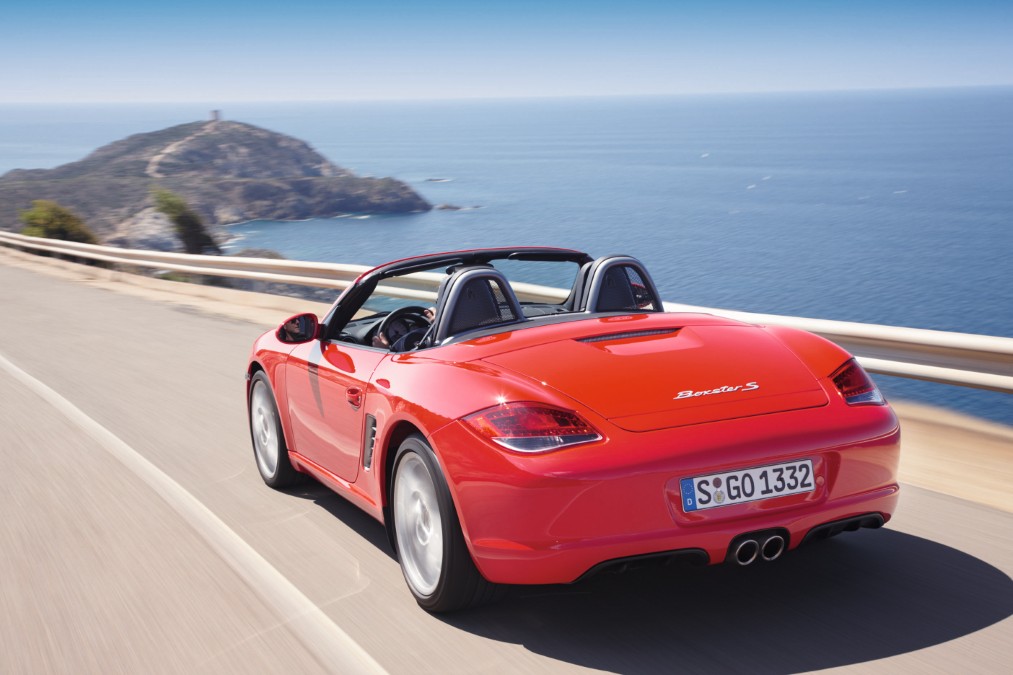
Initially born as a roadster (the Cayman was introduced 2 years later after the 987.1 Boxster), the Boxster is very rigid by design. It is so rigid that the Cayman is essentially a Boxster equipped with a welded roof. Whereas the majority of convertibles are first born as coupes and then become convertibles after structural reinforcement to compensate for the loss of the roof. Usually, this leads to a consequent increase in weight (for example, look at the weight differences between an R8 Coupe and R8 Spyder). Between the Boxster and Cayman, it’s the opposite: the Boxster is lighter and yet very rigid. The result is that the Boxster in no way penalizes the car’s sporting capabilities. The Boxster is truly a two-in-one car. We advise the Boxster for this reason.
Why not the 2.9, Spyder, or Black Edition versions?
Considering the chassis capabilities, we find the 2.9 version to be underpowered and therefore frustrating in that sense. That’s why we advise the ‘S’ version with the 3.4-liter engine.
The Spyder version is interesting because it is even lighter (it was the lightest water-cooled Porsche of its time). It benefits from an extra 10 horsepower, bringing its output to 320 horsepower. However, its soft top system is such a constraint that we advise against the Spyder if your plan is to take road trips.
The Black Edition version offers the practicality of the Boxster, the engine optimizations of the Spyder, and can pass for the best compromise. But you must like black, and its rarity demands a non-negligible and not necessarily justified premium.
Source : © Porsche AG
PDK or Manual Gearbox?
The PDK gearbox is very successful, although its management may disappoint by the standards of the best current PDK transmissions. The 6-speed manual gearbox of the Boxster S 987.2, on the contrary, remains one of the best manual transmissions ever made. Ultimately, the Boxster S is a very analog and tactile car: no electric parking brake, no electric power steering. The manual gearbox will be the one that best suits the spirit of this car. Moreover, this configuration is increasingly sought after, so its value should follow a more interesting curve than with the PDK gearbox. And the reliability of the manual gearbox is excellent.
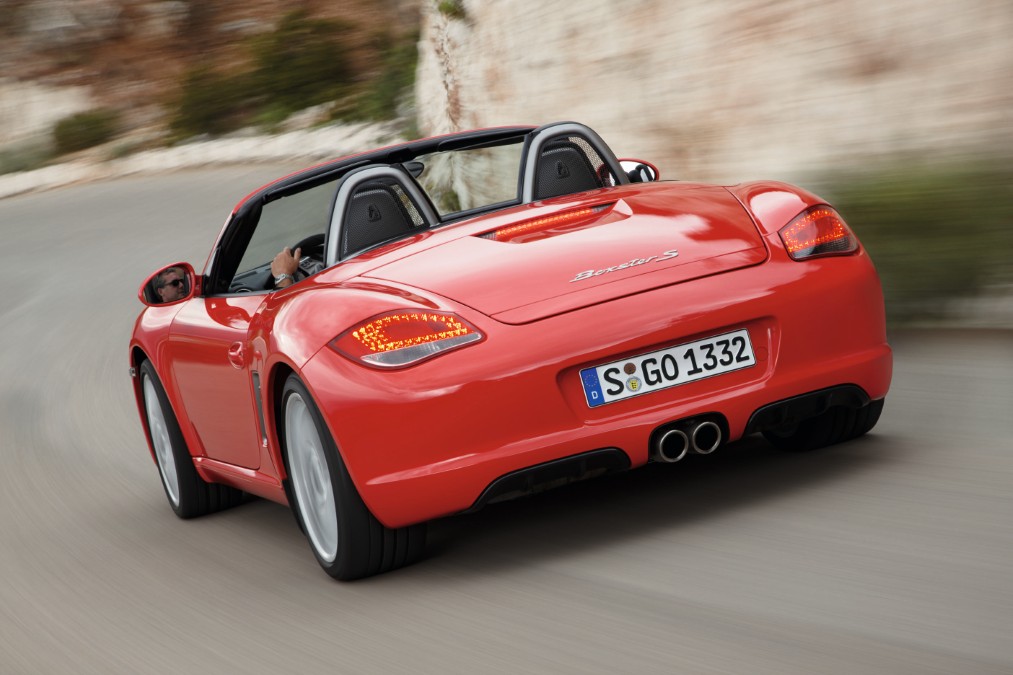
Source : © Porsche AG
Buying Advice
Regarding the choice of your example, be aware that the value of these cars fell quite low in the early 2020s. Consequently, some passed into the hands of owners who could not afford to maintain them. Often, these examples were resold from owner to owner, with each one avoiding spending money on the car. Avoid these examples with a difficult-to-trace history. Prefer an example that has been owned by its last owner for many years.
Water-cooled Porsches allow you to know the engine hours, the mileage recorded in several control units (engine, instrument cluster, Airbag), the number of airbag deployments, and any over-rev ranges recorded by the engine management unit using the brand’s diagnostic tool. This report is called FAP or PIWIS report (which is the name of the diagnostic tool). If you manage to obtain this recent report from the seller, ensure there are no over-rev ranges higher than 3 and no airbag deployments.
Be sure to choose an example in good condition. As these cars are destined to become collector cars, they must be very well preserved.
Regarding mileage, it is not necessarily a problem, as these engines are very robust. However, the wear state of the seats, steering wheel, and pedals will allow you to guess whether this high mileage was achieved on the highway or in the city. In the former case, the car should be well preserved, and high mileage is not a problem, provided the price is consistent.
Regarding the mechanics, demand documented maintenance with invoices stamped by Porsche or a recognized Porsche specialist. Check that it does not have blue smoke (a sign of excessive oil consumption). The timing chain should be quiet. Make sure it has no leaks.
Take someone with you when viewing the car you covet: We advise you to ask a friend to accompany you the day you go to see and test drive the car of your dreams. Indeed, the day the configuration you dream of appears (after being patient for many weeks), you risk getting carried away and overlooking certain clues or signs that mean it is not a good deal. Your friend, not being the buyer, will be able to remind you to be wary of these signs, which sometimes mean you need to wait for the next opportunity, even if it means waiting longer.
Car Evaluation
Evaluation Criteria
Appreciation Potential
Potential for value increase over time
"The first Boxster S was unfairly viewed as 'the poor man's Porsche.' The 987 brought a supplement of performance and sportiness. However, the first phase of the 987 suffered from the same reliability issues as the 986 and 996. The Boxster S 987 Phase 2 corrects these reliability problems while further improving performance and perceived quality. This generation of Boxster truly became a great Porsche at this point. It possesses certain qualities that subsequent generations have lost. Yet, it is still undervalued, and in our opinion, its value should rise for well-maintained manual examples."
Ownership Cost
Total cost of ownership including maintenance, insurance, and running costs
"Starting in 2009, Porsche solved the reliability problems of its water-cooled engines. Gone are the issues with scored cylinders or the IMS bearing that could ruin your investment on previous models. The car is mechanically simple; its maintenance is reasonable despite complicated mechanical accessibility. Fuel consumption for the direct-injection DFI engine is moderate. Being relatively light, consumables don't suffer too much. This is a Porsche that is not very expensive to own."
Driving Pleasure
Pure driving enjoyment and emotional connection
"The chassis is perfectly balanced by the mid-engine layout. Agility is devilish. The car is very communicative, with a perfectly calibrated hydraulic power steering system. The new 3.4-liter, 310-hp direct-injection engine has a sporty and eager character at the top of the rev counter. It pulls from the lowest revs with a typical flat-six atmospheric melody. Performance is very strong, allowing you to drive confidently alongside much more powerful cars. The gearbox is a joy to operate, although its gearing is a little too long. This car is one of the last Porsches to offer the pure, analog sensations of a car that is not overly filtered."
Market Liquidity
Ease of selling when needed
"The market liquidity for the Boxster S 987.2 with a manual gearbox is good. They are found easily enough in listings, and manual models are increasingly sought after by purists. Thus, well-maintained, low-mileage examples sell quickly. "
Exclusivity & Rarity
How rare and exclusive the vehicle is
"Over 100,000 Boxster 987s were produced. The Phase 2 'S' version was produced in approximately 8,150 units. We recommend the manual transmission version. Knowing that 60% of production was sold with the PDK gearbox, there are therefore about 3,260 manual examples. This model is quite rare with a manual gearbox. It is a genuine Porsche. Even if to the novice eye it is similar to the 100,000 Boxster 987s, connoisseurs know they are dealing with a rare car."
Similar Cars
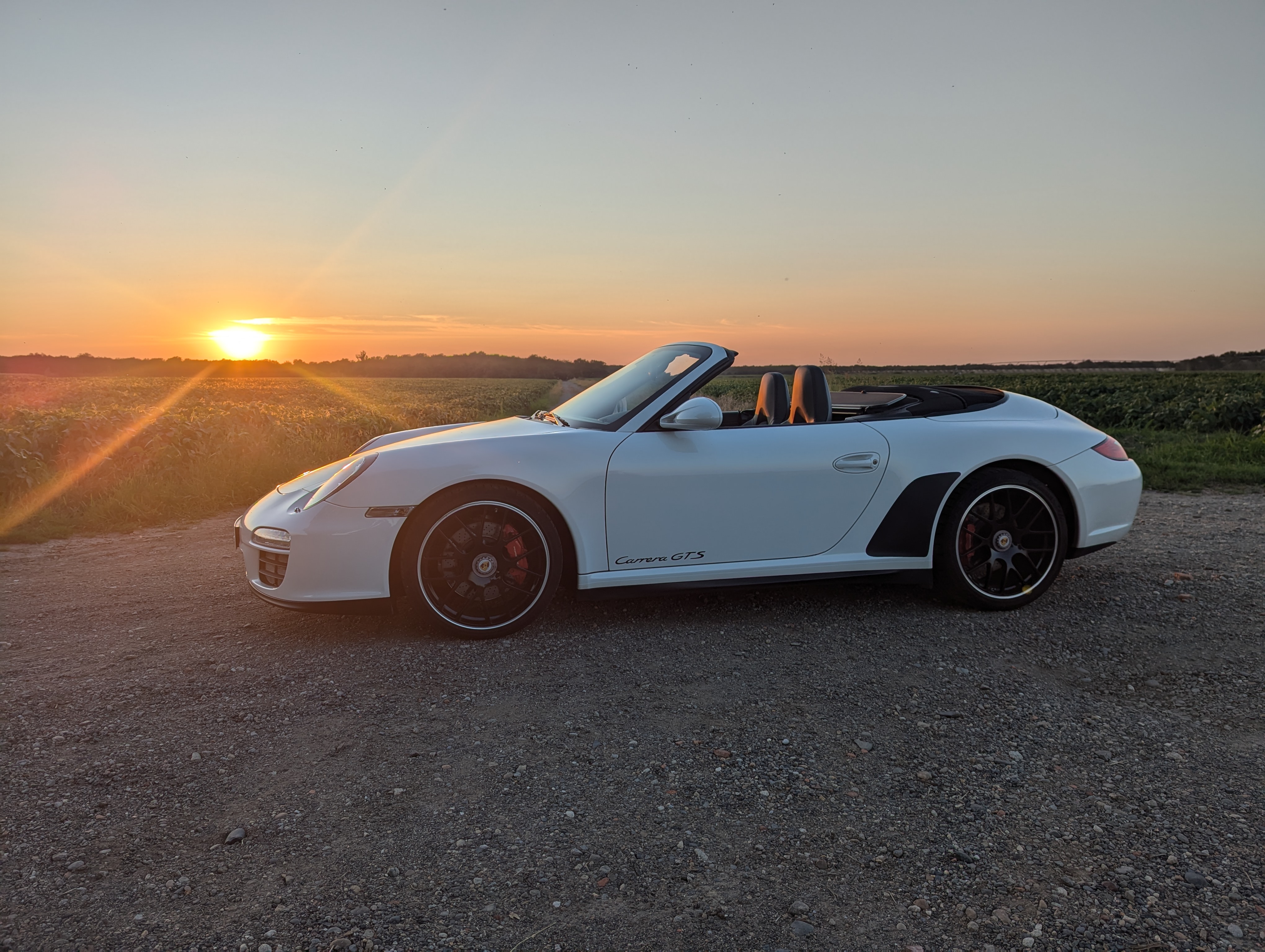
Porsche 911 (997) Carrera GTS manual: The Forgotten Gem
Porsche 911 (997) Carrera GTS
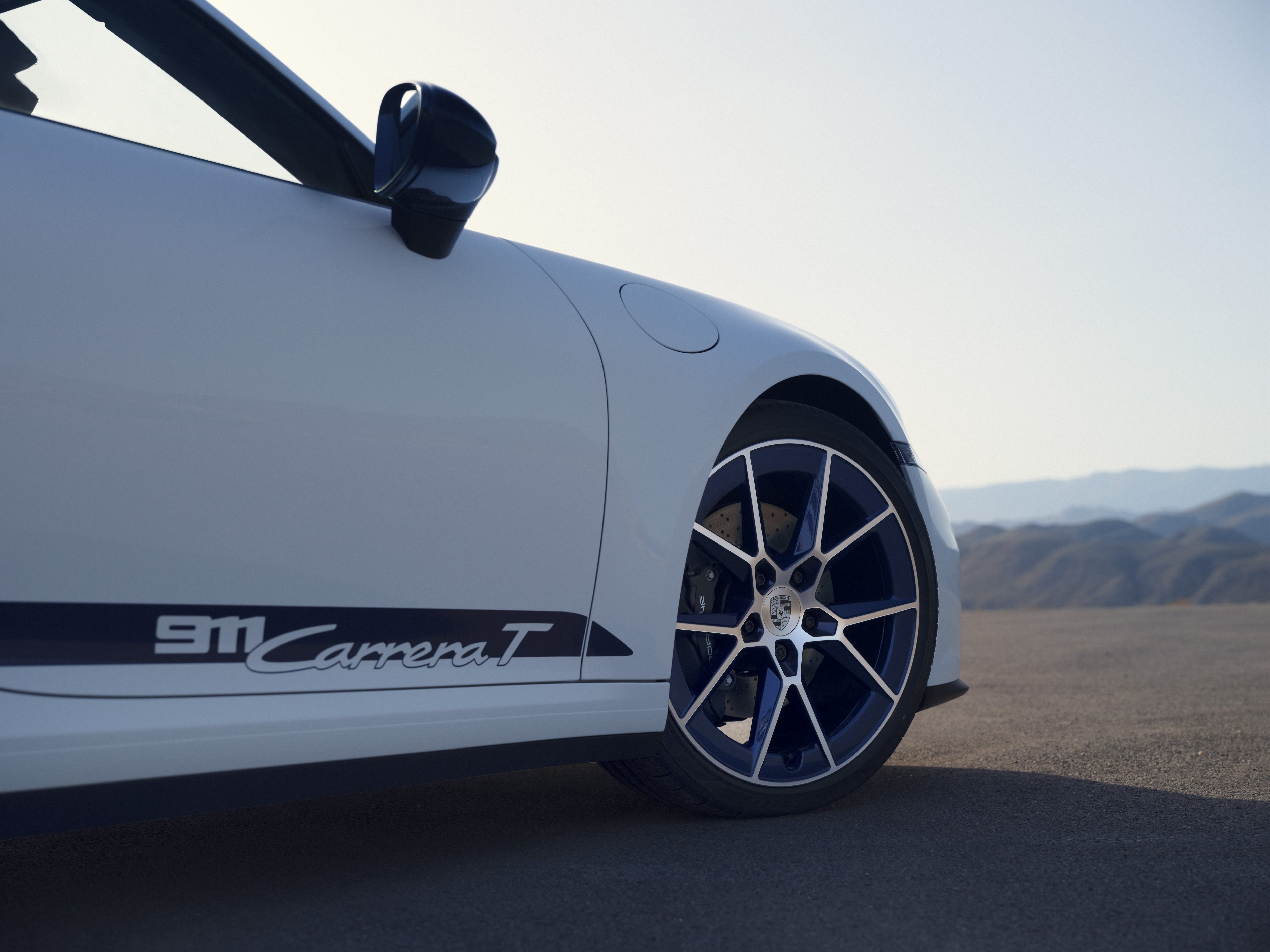
Porsche 911 (992.2) Carrera T: A Brand-New Gem in the Lineup
Porsche 911 (992.2) Carrera T
Related Articles