Manual vs. Automatic: Impact on Pre-Owned Values
Manual vs. Dual-Clutch: the Duel Defining Sports Car Resale Value
Introduction
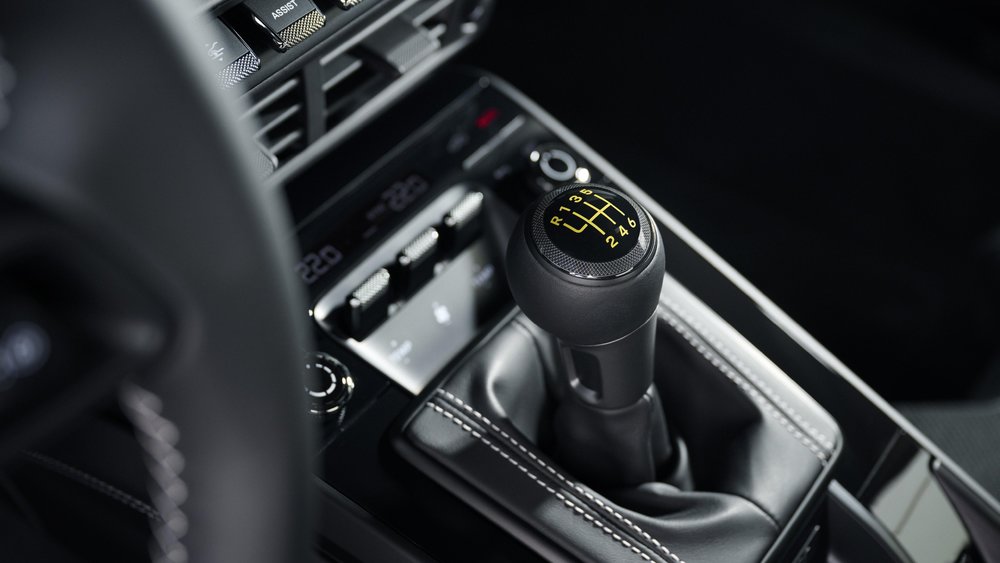
The transmission is more than just a technical component: it is a vector of the driving experience. In enthusiast cars, it shapes the connection between driver and machine, influences usage, and ultimately affects rarity and value. This article traces the evolution of gearboxes, explains why the manual remains sought after by enthusiasts, and illustrates how this preference is already impacting prices in the pre-owned market, specifically for Ferrari, Porsche 911s, and BMW sports cars.
A Quick History of Sports Car Transmissions
- Before the arrival of high-performance automatic gearboxes, automatic solutions were often perceived as disappointing for enthusiast cars: slow torque-converter boxes, brutal or unreliable single-clutch gearboxes. The manual dominated both new and used markets for those seeking engagement and feel.
- The introduction of dual-clutch transmissions (DCT/PDK) changed the game in the new car market: speed, smoothness, and reliability convinced the majority of buyers of daily-driven sports cars. At Porsche, the PDK quickly captured over 80% of sales on several models, fundamentally shifting configuration choices.
- The result: the manual, now a minority in production, is gradually transforming into a niche offering.
Tactility and Mechanical Feel: Why the Manual Remains Desired
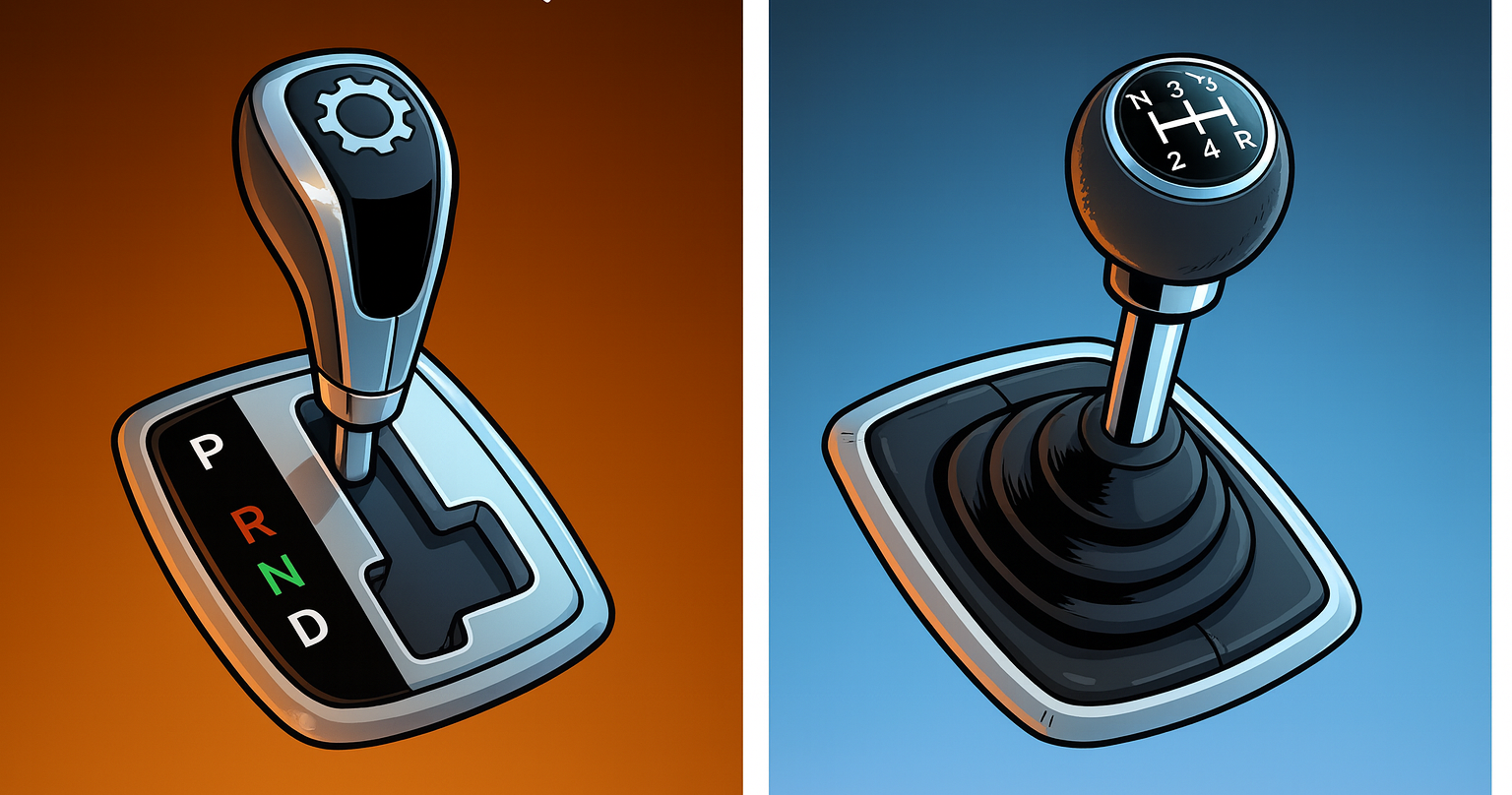
- The manual gearbox maximizes tactility: mechanical feedback, variations in effort, sound, vibration, and the requirement for synchronization offer a sensory spectrum that dual-clutch gearboxes deliberately smooth out.
- The DCT/PDK enhances ease of use but dampens the torque interruptions and micro-events that constitute the mechanical sensation. For a daily driver, this translates to comfort; for the enthusiast who reserves their car for weekends or road trips, it reduces an essential part of the pleasure.
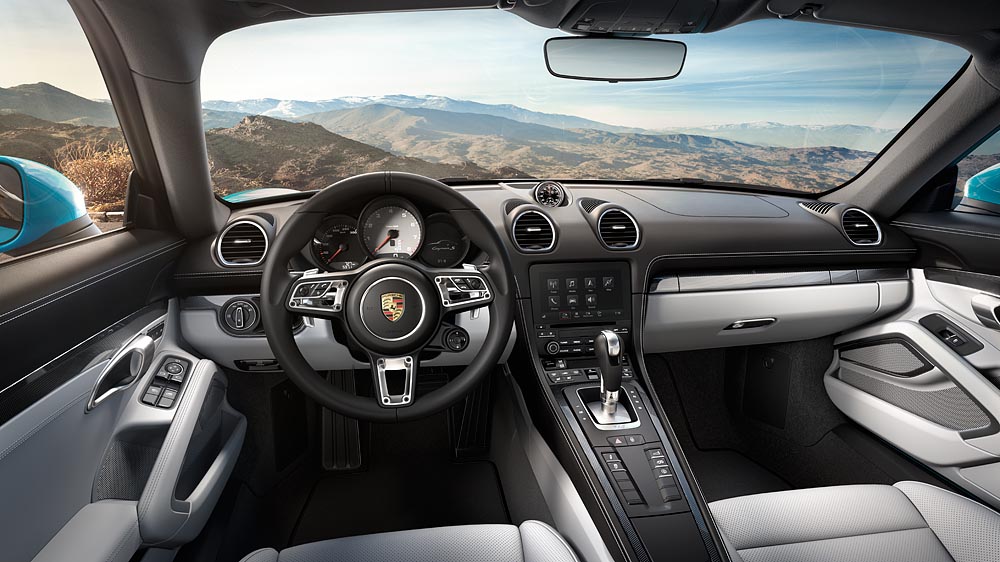
- “Tactility” is more of a cultural value than a technical argument: it is rarely verbalized using that exact word, but it strongly motivates the purchase of youngtimers and older sports cars. Steering, engine, and gearbox form the central sensory trio; the progressive disappearance of mechanical feedback fuels demand for cars that retain it.
Increasing Rarity of Manual Gearboxes: Mechanisms and Consequences
Two factors explain the scarcity:
- Manufacturers are gradually removing the manual option from their main lineups, confining it to limited series or very targeted versions.
- New car buyers predominantly choose dual-clutch gearboxes, reducing the future stock of pre-owned manual configurations.
Combined effect: fewer new offerings + new car market preference for automatic = natural scarcity of manual models in the secondary market. Over time, searching for a manual example becomes an increasingly costly filter for the enthusiast buyer.
Concrete Cases: Ferrari, Porsche 911, BMW Sports Cars
Ferrari
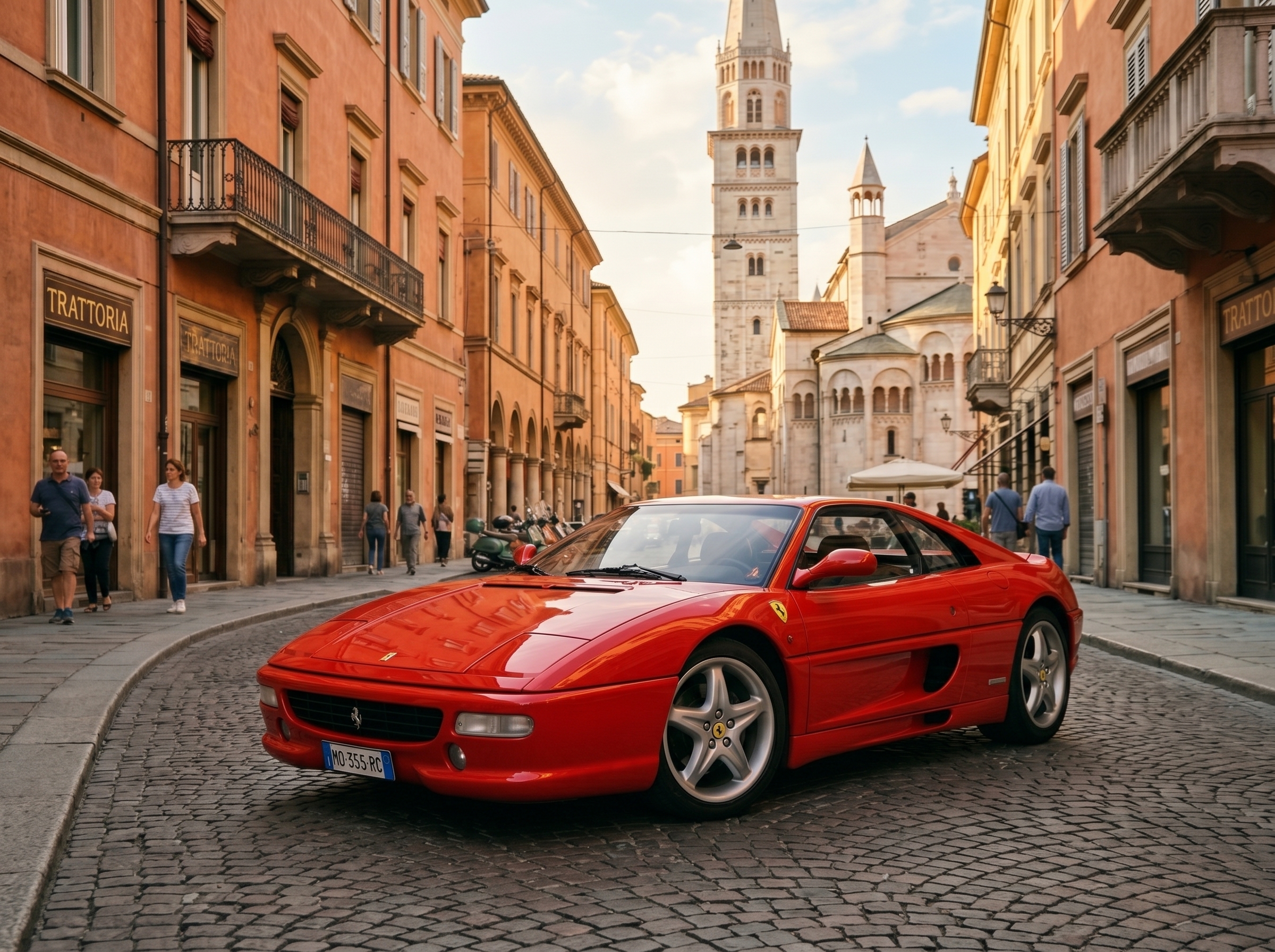
- Trajectory: sharp transition to automatic after the F355 → 360 → F430; Ferrari largely abandoned the manual after the F430.
- Market: Post-2000 manual Ferraris (360, manual F430) have become rare and command substantial premiums. The rapid disappearance of the manual at Ferrari transforms each remaining example into a high rarity signal.
📊 355 – 360 – 430 Comparison (Proportion of Manual Gearboxes)
| Model / Variant | Estimated Total Production | Estimated Manual Gearbox | Proportion |
|---|---|---|---|
| F355 (all versions) | ~11,273 | ~10,000+ | ~90 % |
| 360 Modena | ~8,800 | ~2,500 – 3,000 | ~30 % |
| 360 Spider | ~7,500 | ~1,800 – 2,000 | ~25 % |
| 360 Challenge Stradale | ~1,288 | ~10 | ~1 % |
| F430 Coupé | ~7,000 | ~800 – 1,000 | ~12–14 % |
| F430 Spider | ~6,000 | ~600 – 800 | ~10–12 % |
| F430 Scuderia / 16M | ~2,000 | ~0 | ~0 % |
🔑 Quick Analysis
- F355 (1994–1999): Manual gearbox still the norm; the F1 only appeared in 1997 and remained marginal.
- 360 (1999–2005): Gradual shift, about 1/4 to 1/3 manual.
- F430 (2004–2009): Near total extinction, only ~10% manual.
🎯 Investment Narrative
- The manual F355 is not rare in proportion, but it has become iconic because it represents the last Ferrari where the mechanical gearbox was the norm.
- The manual 360 is already rarer and marks the transition.
- The manual F430 is a true exception, which explains its spectacular value premium.
Porsche 911
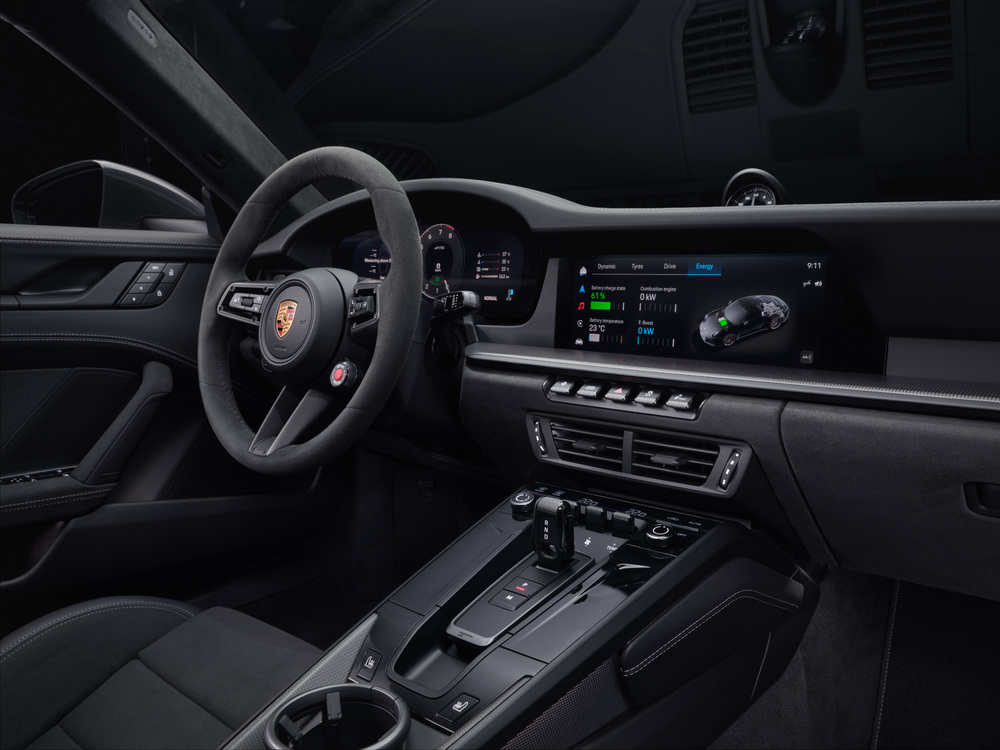
🚗 The Slow Disappearance of the Manual Gearbox in the Porsche 911 In the mid-2000s, the 997.1 still embodied an era where the manual gearbox dominated. The Tiptronic, deemed slow and outdated, attracted few buyers: the majority of customers still chose the H-pattern lever. This is the last generation where the manual was the standard. With the 997.2, everything changed. Porsche introduced the PDK dual-clutch, a technical revolution. Faster, more efficient, it immediately convinced buyers: over 80% adopted it. The manual became a minority, and this is where its slow scarcity began. Even the 997 Turbo remained available in manual, but it would be the last: the 991 Turbo ushered in the all-PDK era. This rarity in the market is unfortunate because the 997.2 is the last 911 considered analog with its very communicative hydraulic steering and shorter wheelbase. The 991 continued this shift. The Carrera and S could still be ordered with the 7-speed manual, which was often judged as disappointing compared to the perfect 6-speed box it replaced. These customers were few and far between. The mechanical gearbox mainly survived in the purist models: GT3, GT3 Touring, 911 R, Speedster. These limited series immediately became icons, commanding spectacular value premiums. The 992.1 confirmed the trend. Manual Carreras exist (with a 7-speed manual gearbox that never gained universal acclaim for its feel), but they are extremely rare. The manual (6-speed) remains alive on the GT3 and Touring, but it is now only a marginal choice.
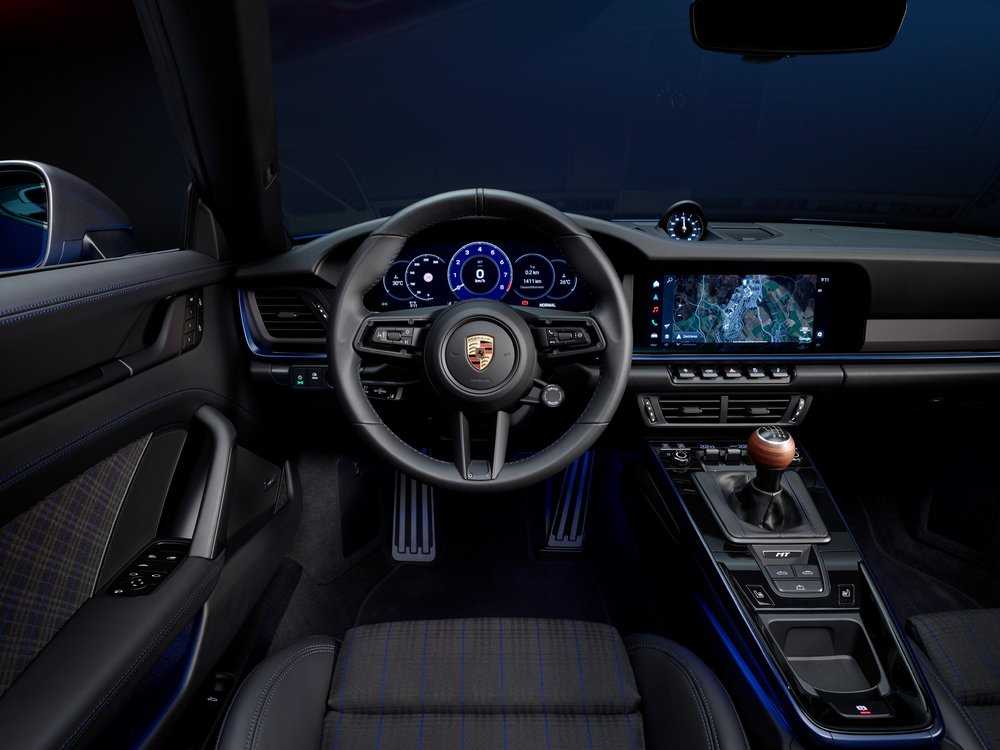
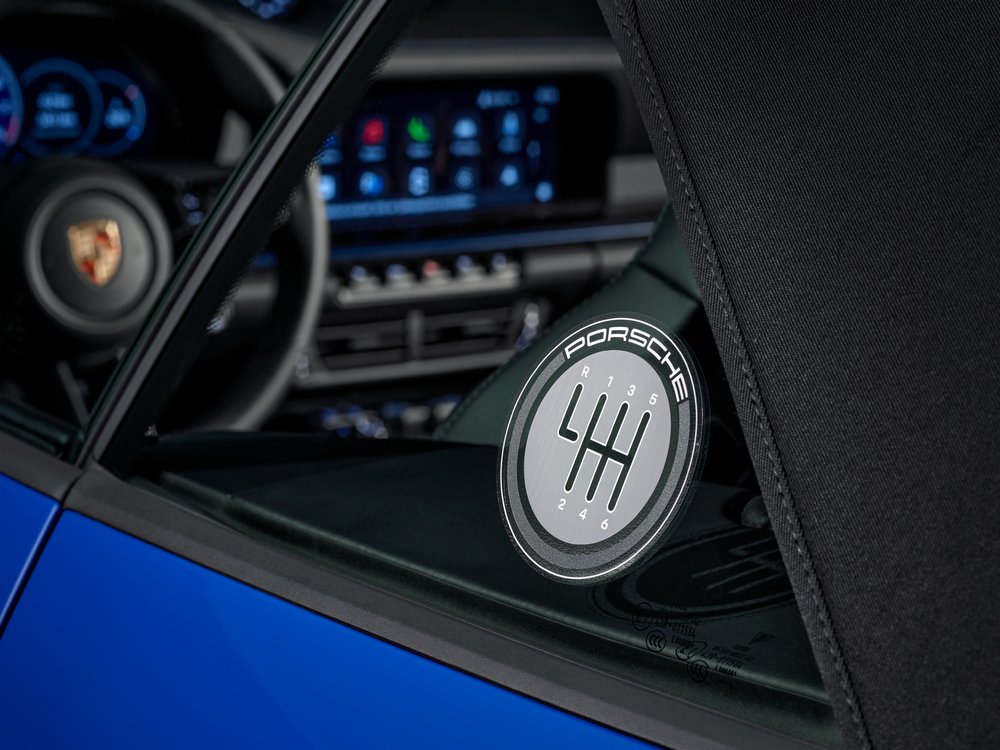
With the 992.2, Porsche crosses a new threshold: the manual completely disappears from the Carrera, Carrera S, 4S, and GTS. Only the Carrera T is offered with a manual gearbox, asserting its role as the purist bastion. The GT3 and Touring remain faithful to the manual, but at prices and volumes that place them out of reach for the general public.
🎯 Market and Investment Analysis
- 997.1 manuals: Abundant, but embody the last 911 where manual was the norm → stable value, guaranteed pleasure.
- 997.2 manuals: Historical pivot, beginning of rarity → strong appreciation potential.
- 997.2 GTS manual: One of the most homogeneous and sought-after. Very rare → guaranteed future collector.
- 997.2 Turbo manual: Last Turbo to exist with a mechanical gearbox → guaranteed future collector.
- 991 Carrera manuals: Extremely rare, but the 7-speed manual gearbox is disappointing compared to the 6-speed manuals in the 997 and 991 GT3s. Ultimately, they are more coherent with the PDK.
- 991 R, Speedster, GT3 Touring: Established “blue chips,” high premiums.
- 992.1 Carrera manuals: Extremely rare, But the 7-speed manual gearbox is disappointing compared to the 6-speed manuals in the 997 and 991 GT3s.
- 992.2 Carrera T: Return of the 6-speed manual gearbox. Last bastion for purists. It is even the only convertible and manual gearbox proposition available in the 911 lineup at this time → clear future collector.
- 991/992 Turbo: Exclusively PDK, value based on performance and versatility, not mechanical rarity.
👉 In summary:
- The 997.2 marks the historical turning point.
- Certain variants like the 997 Sport Classic celebrate the manual gearbox.
- The manual 997 Turbo is a unique milestone.
- The rare 997 GTS manual examples are even rarer and more desirable.
- The manual 991 and 992.1 Carreras are rare gems, but the 7-speed manual gearbox diminishes their appeal.
- The 992.2 Carrera T with its 6-speed manual will be a collector.
- GT3s are well-represented in manual form across all generations. They are safe bets.
BMW Sports Cars
- Trajectory: the manual was the standard on the E36/E46 and on some legendary M models (E39 M5). The appearance of SMG then DKG initiated the transition; BMW chose to preserve the manual on emblematic M models (E39, rare US manual E60, M2 F87/G87, RWD manual G80/G82 versions).
- Market: BMW adopts an intermediate strategy—the manual is not sacrificed, it is protected. Manual examples (E39 M5, US manual E60, M2) are sought after and exhibit qualitative rather than quantitative rarity.
📊 BMW and the Manual Gearbox: Highlights 1990s–2000s: The Standard
- On the 3-Series (E36, E46) and M3, the manual gearbox is still the reference transmission.
- Even the E39 M5 (naturally aspirated V8) was offered in manual only.
- The SMG gearbox (E46 M3) appeared, but remained marginal and criticized for its lack of smoothness. 2000s–2010s: Transition
- E92 M3: available in manual and DKG (dual-clutch).
- E60 M5: V10 with SMG in Europe, but a 6-speed manual gearbox still offered in the United States (rare and sought after).
- This is the era when BMW began reserving the manual for certain markets, especially North America. 2010s–2020s: Scarcity
- F80/F82 M3/M4: manual gearbox still available, but a minority compared to the DKG.
- M2 (F87): became the bastion of the manual, especially in Europe and the US.
- BMW keeps the manual for the “driver’s car” image, but volumes drop. Today (G80/G82 and G87)
- G80/G82 M3/M4: still available with a manual gearbox, but only on certain versions (RWD, not on xDrive).
- G87 M2: still offered in manual RWD, a symbol of resistance.
- Other lineups (3 Series, 4 Series, 5 Series, etc.) are now 100% automatic.
🎯 Investment Narrative
- Manual E46 M3: already iconic, solid value.
- US manual E60 M5: absolute rarity, guaranteed collector.
- Manual M2 (F87 and G87): future classics, as they embody the last “accessible” generation with an H-pattern lever.
- Manual F80/F82 M3/M4: rare, therefore a future collector.
- Manual G80 M3/M4: still available, but very low volumes → long-term appreciation potential.
🗂️ Summary Table
| Generation | Key Models | Manual Availability | Particularity |
|---|---|---|---|
| E36/E46 | M3, 3 Series | Majority | SMG optional (E46), not highly regarded |
| E39 M5 | M5 | 100 % Manual | Last all-manual M5 |
| E60 M5 | V10 | Manual very rare (US) | Atypical collector |
| E92 M3 | V8 | Manual + DKG | Transition to automatic |
| F80/F82 M3/M4 | 2014–2020 | Manual minority | M2 becomes the bastion |
| G80/G82 M3/M4 | 2020–… | Manual available (RWD) | Not on xDrive |
| G87 M2 | 2023–… | Manual available (RWD) | Last “accessible” bastion |
👉 We see that BMW chose an intermediate path: not completely abandoning the manual, but reserving it for its most enthusiast-focused models (M2, M3, M4).
Recommendations for the Enthusiast Investor
- Prioritize authenticity: favor original, unmodified manual examples with complete history and maintenance invoices. Collectible cars must be in perfect original condition.
- Target pivot generations: purchases with probable added value on generations where the technical shift occurred (e.g., 997.2, manual F360 Modena, US manual E60 M5, M2).
- Seek the “last of the line”: models that constitute the final manual iterations (manual 997.2, 992.2 Carrera T, E39 M5) present a solid collector profile.
- Consider usage and conservation: an enthusiast seeking feel and appreciation must accept the long-term horizon (5–10 years) and prioritize original condition over performance-oriented modifications.
Strategic Conclusion
The transmission has become a marker of rarity and identity in the enthusiast car market. Where technology has brought more performance and comfort, it has also erased tactile sensations that are precious to a growing segment of enthusiasts. This progressive disappearance creates a structured investment opportunity: buying clean, targeted, and patient on manual examples—especially the “last ones” and limited series—offers a compelling combination of driving pleasure and appreciation potential. At Ferrari, Porsche, and BMW, the manufacturers’ technical choices have created differentiated trajectories; for the savvy investor, the manual is no longer simply a driving choice, it is a perspective of long-term safe value.
Related Insights

Similar Models
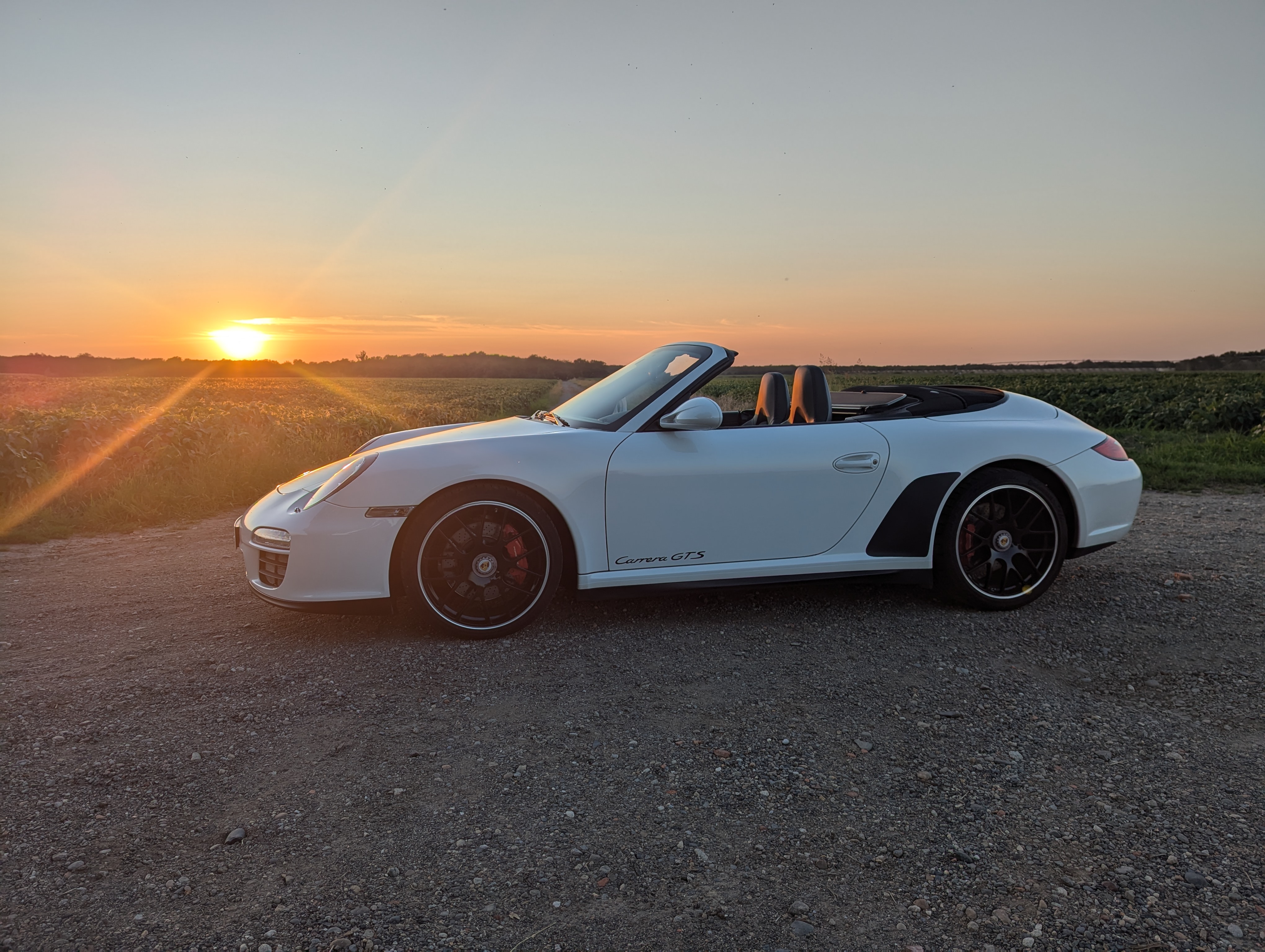
Porsche 911 (997) Carrera GTS manual: The Forgotten Gem
Porsche 911 (997) Carrera GTS
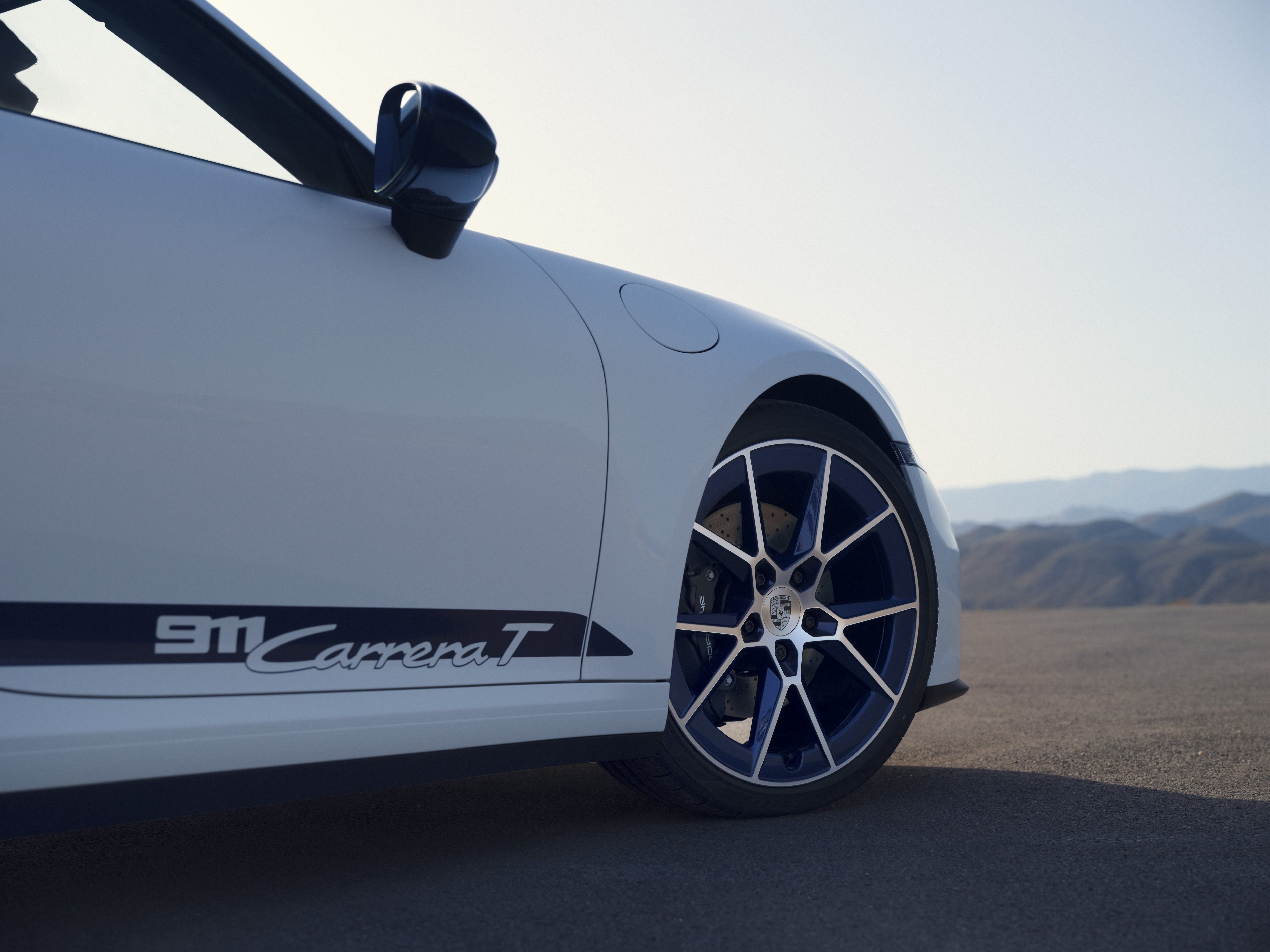
Porsche 911 (992.2) Carrera T: A Brand-New Gem in the Lineup
Porsche 911 (992.2) Carrera T