Porsche 911 Carrera 3.0: The Forgotten Gem Ready for Its Market Comeback

Specifications
Basic Information
Performance & Value
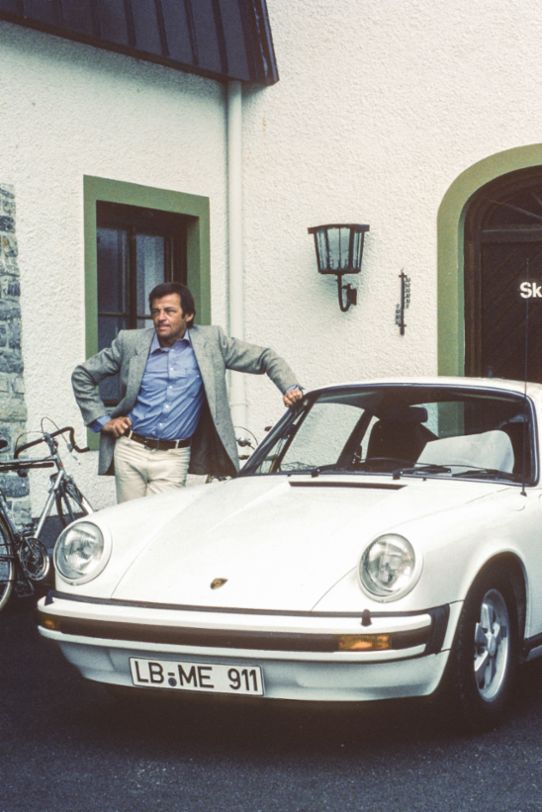
The lineage of the Porsche 911 is paved with untouchable myths and absolute legends. Yet, standing in the majestic shadow of the legendary Carrera 2.7 RS and the ubiquitous Carrera 3.2 lies a gem that history and investors have long overlooked: the Porsche 911 Carrera 3.0.
Produced in what feels like the blink of an eye (1976-1977), it has sometimes been mistakenly confused, to its detriment, with the 911 SC 3.0 that succeeded it. However, the Carrera 3.0 is no mere transition model. It is a genuine piece of automotive craftsmanship that now deserves the full attention of discerning collectors and investors seeking the perfect “market anomaly.”
Source: © Porsche AG
The Turbo’s Heart, The Spirit of the RS
Behind the wheel, the Carrera 3.0 is a revelation. Forget the somewhat “tamer” or more civilized perception of the SC that followed. The 3.0-liter flat-six (type 930/02) powering this Carrera is none other than the monstrous 930 Turbo’s block, stripped of its fire-breathing snail. It unleashes 200 horsepower, just 10 less than the divine 2.7 RS, but more importantly, it delivers significantly more torque noticeably earlier in the rev range.
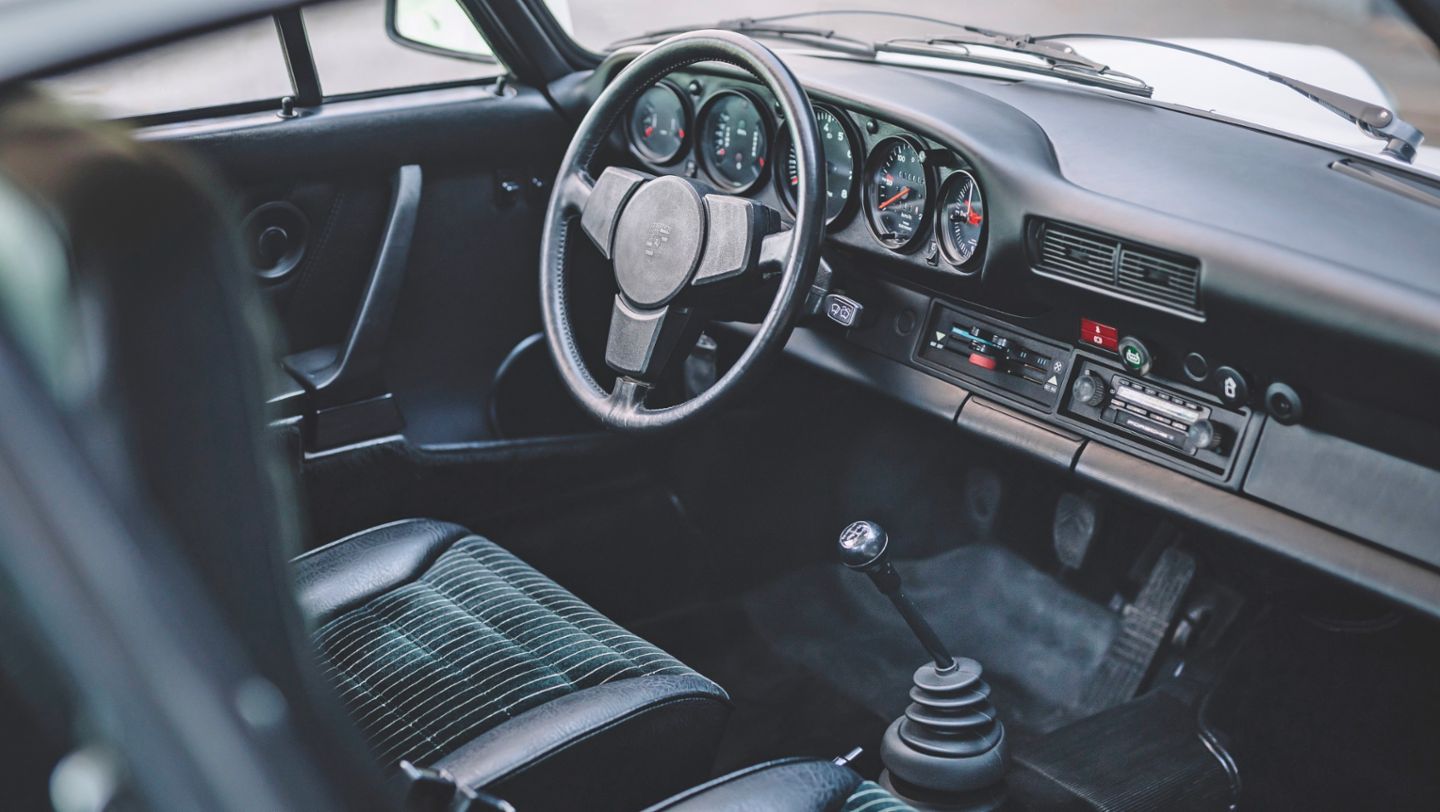
The handling is raw, intuitive, and communicative, typical of the lightweight “G-series” chassis (barely over 2,400 lbs or 1,100 kg depending on the trim). The adoption of K-Jetronic fuel injection makes it smooth while retaining a contagious mechanical fury past 4,000 RPM.
Source: © Porsche AG
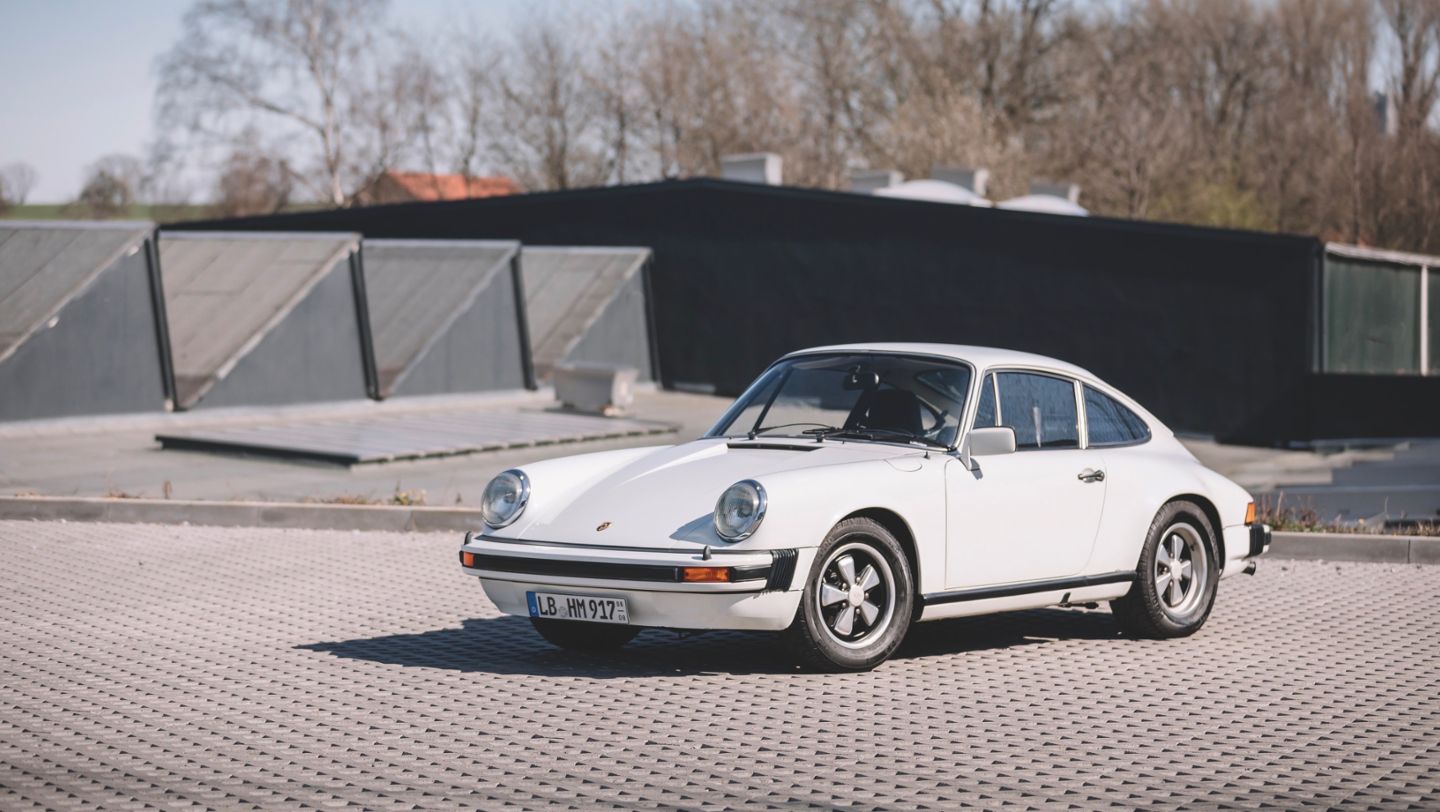
In terms of design, the “G Series” look with its widened fenders and the optional “Whale Tail” spoiler gives it an undeniable visual presence. It is the perfect bridge between the edginess of a “Classic” and the muscularity of later generations.
A Confidential Production Run Compared to Standard Models
To truly understand why the Carrera 3.0 represents an authentic statistical anomaly for Porsche, here is how its production volumes stack up against the prestigious RS and the mass-produced models that followed it:
| Model | Production Volume | Relative Rarity | Avg. Market Value (Est.) |
|---|---|---|---|
| 2.7 Carrera RS | 1,580 | ★★★★★ (Ultra-Rare) | ~€700,000 |
| Carrera 3.0 | 3,687 | ★★★★☆ (Very Rare) | ~€85,000 |
| 3.0 SC | ~58,000 | ★★☆☆☆ (Common) | ~€55,000 |
| 3.2 Carrera | 76,473 | ★☆☆☆☆ (Abundant) | ~€65,000 |
As this table illustrates, despite a production run nearly as confidential as the untouchable 2.7 RS, the Carrera 3.0 currently commands a surprisingly modest valuation, hovering around those of the industrially produced generations that succeeded it. This pricing situation constitutes a genuine market anomaly—a historical aberration that time and savvy buyers will inevitably correct upwards.
The US Market Absence: The Catalyst
This is where the story of the Carrera 3.0 becomes fascinating for the investor: the Carrera 3.0 was never officially imported to the US market due to emerging and overly strict emissions regulations. The American market, which nonetheless absorbs the majority of Porsche’s production, was deprived of this model and had to settle for detuned versions.
Source: © Porsche AG
The direct consequence? The Carrera 3.0 remains virtually unknown across the Atlantic, which largely explains why its global value hasn’t exploded irrationally. However, with the 25-year import rule now well surpassed, American collectors are beginning to look toward the European market to import these “Forbidden Fruits.” This emerging US demand serves as a powerful catalyst for upcoming price increases.
Reliability: Robust, but Needs Classic Care
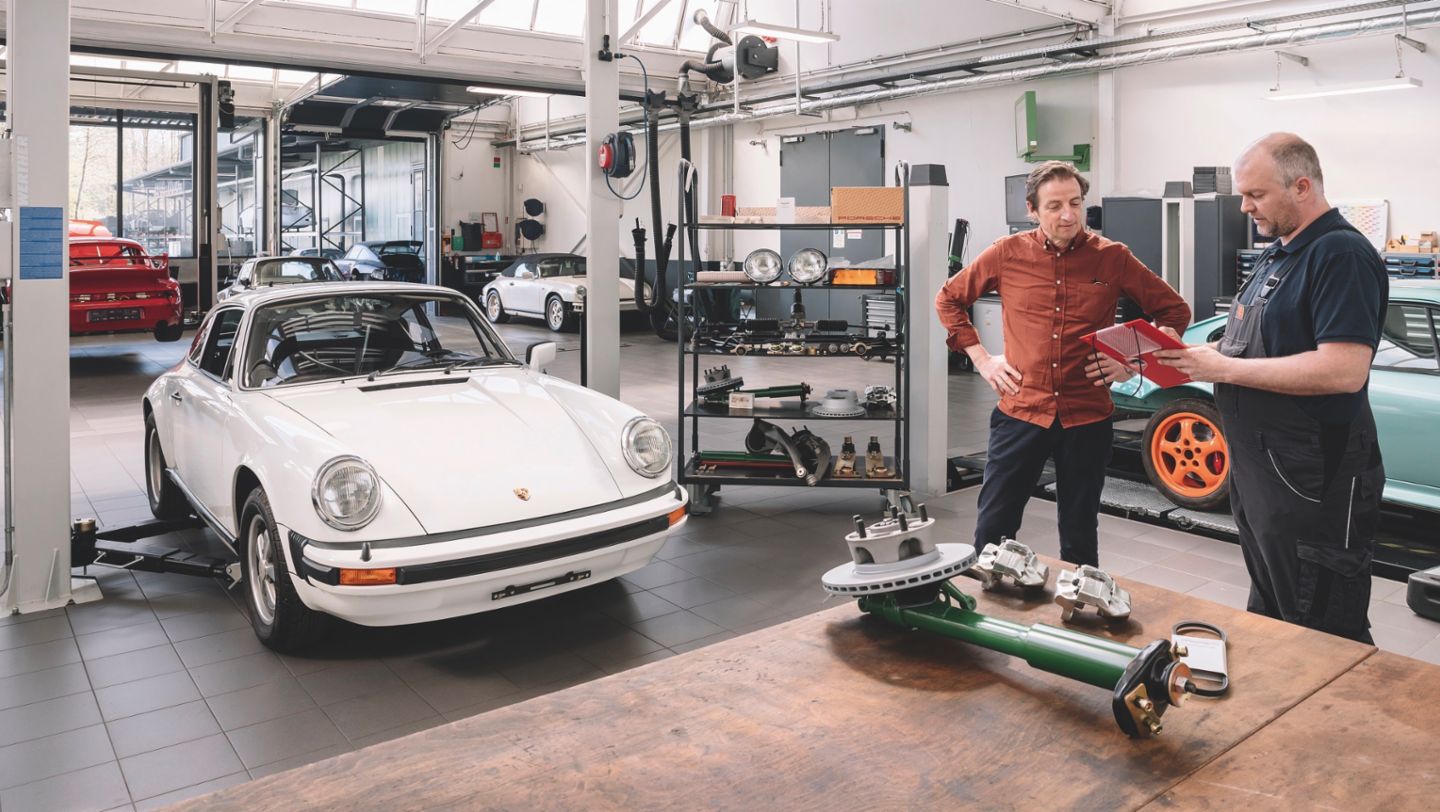
The reputation of the 3.0-liter block is firmly established: it’s carved from granite. This is the very same aluminum crankcase that would build the 911’s reputation for invincibility in the decades to follow, steering clear of the pulled head stud issues common to the magnesium cases of the 2.7L engines.
Source: © Porsche AG
Nonetheless, investing in a Carrera 3.0 means acknowledging it is celebrating its 50th anniversary. Routine maintenance (oil changes, filters) remains reasonable (around €1,000 to €1,500 per year for a regularly driven car), but the peripherals demand attention. The K-Jetronic injection, particularly the Warm-Up Regulator, may require a specialist’s expertise.
Crucial investment note: Regarding the bodywork, 1976 marks the very beginning of Porsche dipping its chassis into zinc baths (galvanization), but the process wasn’t yet fully comprehensive. Rust therefore remains the number one enemy of a “matching numbers” vehicle. Inspecting the rocker panels, wheel arches, and battery tray is mandatory prior to any transaction.
The Rare Pearl Crushed by the Masses
The European market thus absorbed the bulk of production, but make no mistake: we are talking about microscopic volumes. Only about 3,687 units were built in total over two model years (roughly 2,560 coupes and 1,120 Targas). For comparison, the 911 SC that replaced it saw nearly 58,000 units produced, and the 3.2 exceeded 76,000!
Source: © Porsche AG
In Europe, the Carrera 3.0 suffered from an unfair mix-up with the much more common 911 SC 3.0, which was less agile and initially offered “only” 180 hp. Long stuck around €70,000 / €80,000, the Carrera 3.0 is finally being uncoupled from the SC by European purists who recognize its production numbers are on par with a limited series. Indeed, we are observing a very healthy and discreet +15% climb in its median value over the past 5 years, proof that savvy buyers are quietly hoarding them.
And what about the rest of the world? Markets like the UK or Japan received Right Hand Drive (RHD) models. An original British or Japanese Carrera 3.0 is maddeningly rare. The British market, always very astute, is already paying excellent premiums. Japan often sees these cars returning to Europe today at steep prices, buoyed by the staggering level of Japanese maintenance.
How to Identify a Genuine Carrera 3.0
To hunt down a true Carrera 3.0, you must remain vigilant: many American 2.7 S or 3.0 SC models have been “rebadged” over the years. For the readers of mydriveROI.com, the chassis number (VIN) is the only indisputable proof.
Here are the official serial number ranges to identify the 3,687 units produced:
1976 Models (J Series) In 1976, the engine is the 930/02 type.
| Body Style | Chassis Number Range | Production |
|---|---|---|
| Coupe | 911 660 0001 to 911 660 1093 | 1,093 units |
| Targa | 911 661 0001 to 911 661 0479 | 479 units |
1977 Models (K Series) In 1977, the engine evolves slightly (type 930/12) and production increases.
| Body Style | Chassis Number Range | Production |
|---|---|---|
| Coupe | 911 760 0001 to 911 760 1471 | 1,471 units |
| Targa | 911 761 0001 to 911 761 0644 | 644 units |
3 Checkpoints to Validate the “Gem”
If a buyer spots a car within these number ranges, they must verify these three specific details that define the Carrera 3.0’s value:
- Engine Type: The number stamped on the crankcase (to the right of the cooling fan) must strictly start with 666 (for 1976) or 667 (for 1977). This is the famous aluminum block shared with the Turbo.
- Absence of “Boost”: Unlike the 3.0 SC that would follow, the Carrera 3.0 has no brake booster (Mastervac) prior to the 1977 model year (and even then, it was a rare option). The brake pedal is therefore firm and extremely direct, with a “race-car” feel.
- Speedometer: The tachymeter should read up to 250 km/h (or 150 mph for UK imports). The 2.7 S models from the same era often topped out lower.
The ROI Tip: A Carrera 3.0 with its original engine (Matching Numbers) is crucial. Because the block is made of aluminum (as opposed to the magnesium of the 2.7s which could warp), these engines are notoriously robust, but their rarity makes replacing them with correct period engines remarkably expensive.
MydriveROI Verdict: Why You Must Buy NOW
The Carrera 3.0 is currently the most obvious “market anomaly” of the G-series generation. Here are the knockout arguments for investing in one:
- Mathematical Rarity: Fewer than 3,700 units produced. It stands as one of the least distributed standard-production 911s in history.
- Noble Mechanical DNA: It pairs the Turbo’s engine block with the pedigree and horsepower of the famed 2.7 RS it directly replaces in certain European markets. It acts as the naturally-aspirated Holy Grail of its era.
- American Awakening: US collectors, drying out the 2.7 RS market (now financially out of reach) and growing bored of the massive volumes of SCs and 3.2s, are actively hunting for pristine European examples.
- Coupe vs Targa: Although the coupe remains king for pure performance, the highly confidential production of the Targa (roughly a thousand units) attracts investors betting on an “ultra-low volume” premium.
- Stepping Out of the Shadows: The market is finally waking up and financially acknowledging that a Carrera 3.0 is not just a run-of-the-mill 911 SC.
In Conclusion: Sandwiched between legends, it nonetheless holds a mythos of its own. Boasting an average valuation currently hovering around €75,000 to €90,000 (and exceeding €100,000 for cars with crystal-clear histories), the Porsche 911 Carrera 3.0 holds exponentially higher upside potential than the Carrera 3.2s, which have grown “too” expensive for their actual rarity.
Now is the exact time to position yourself, before US demand irrevocably siphons off what few pristine cars remain on the Old Continent.
Car Evaluation
Evaluation Criteria
Appreciation Potential
Potential for value increase over time
"A mathematical rarity (fewer than 3,700 units) with growing US interest... Compared to the increasingly expensive 3.2s, it boasts the highest potential for appreciation."
Ownership Cost
Total cost of ownership including maintenance, insurance, and running costs
"Robust 3.0L aluminum block. Overall maintenance is manageable, though the K-Jetronic injection requires a specialist. Watch out for rust on early models, which were only partially galvanized."
Driving Pleasure
Pure driving enjoyment and emotional connection
"The heart of a Turbo (without the turbo)! Raw and intuitive. The generous torque combined with the lightweight G-series body makes it a machine of pure sensation."
Market Liquidity
Ease of selling when needed
"Its valuation is quietly rising (+15% over 5 years). Purists are now clearly distinguishing it from the SC, making it much more liquid among connoisseurs."
Exclusivity & Rarity
How rare and exclusive the vehicle is
"One of the least produced regular production 911s. Targa or RHD versions are genuine unicorns on the market."
Similar Cars
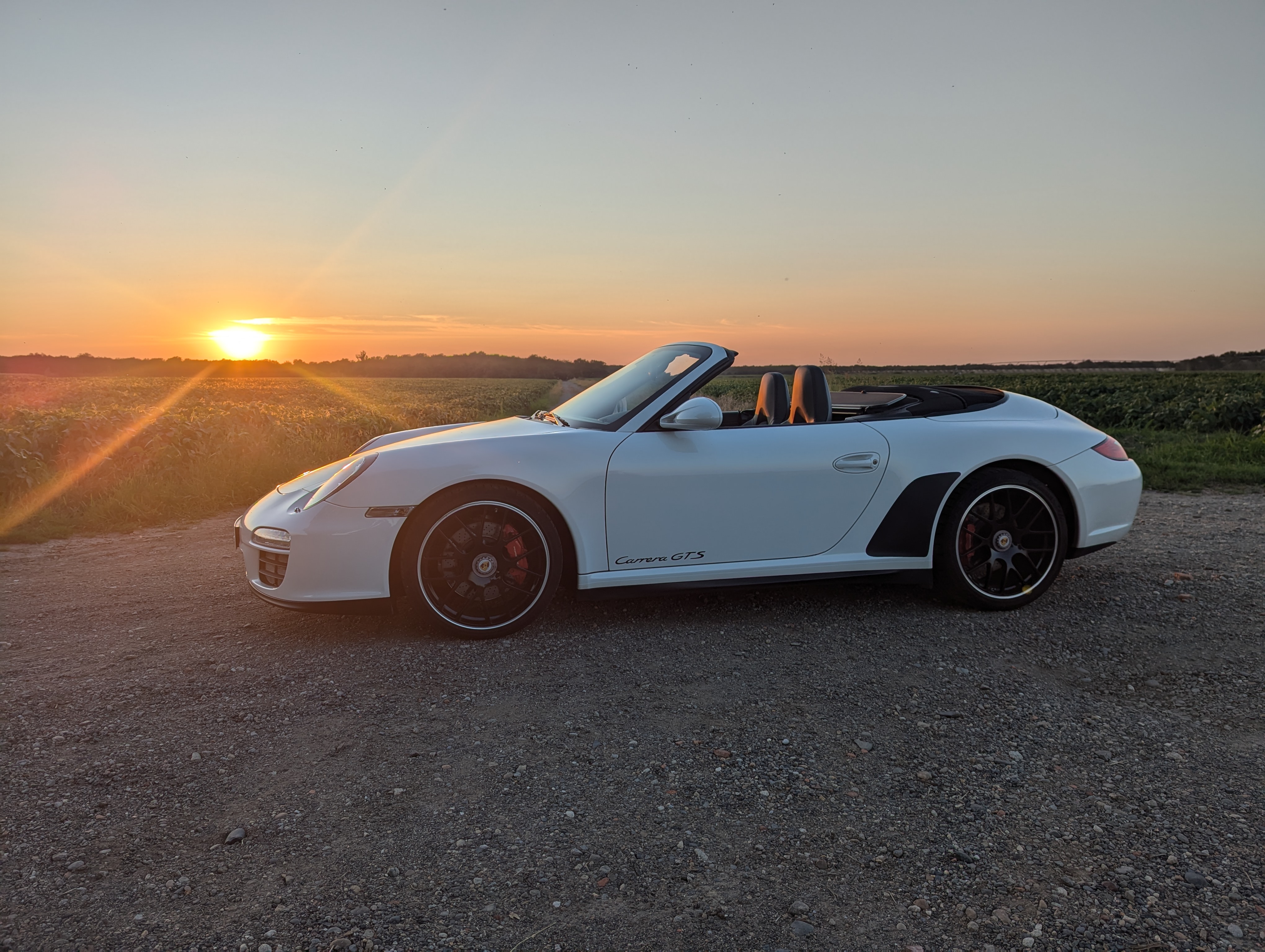
Porsche 911 (997) Carrera GTS manual: The Forgotten Gem
Porsche 911 (997) Carrera GTS
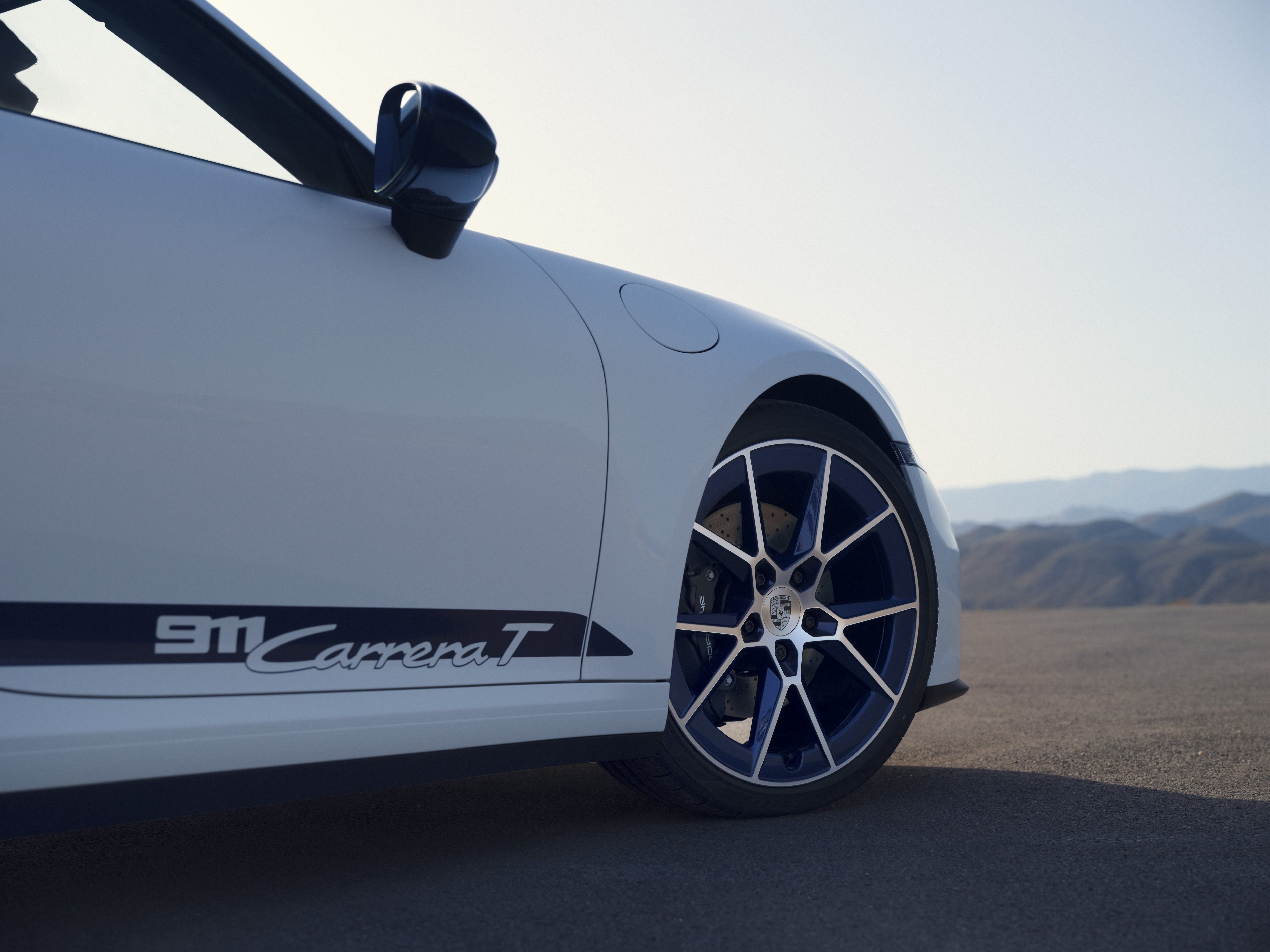
Porsche 911 (992.2) Carrera T: A Brand-New Gem in the Lineup
Porsche 911 (992.2) Carrera T
Related Articles